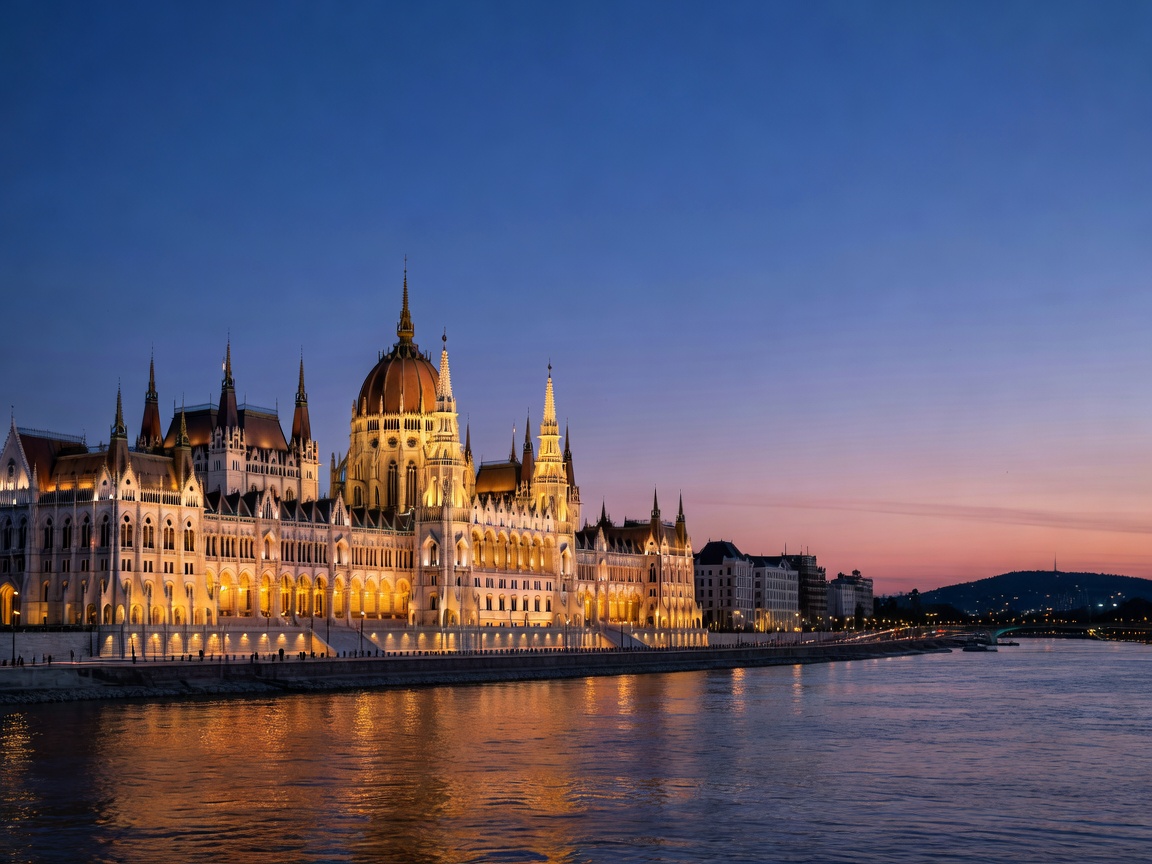
 Capital
Budapest
Two cities welded by eight bridges: hilly, residential Buda and the boulevard grid of Pest. Ruin bars, market halls, Art Nouveau facades and a thermal bath in a public park.
3–4 daysYear-roundBase city
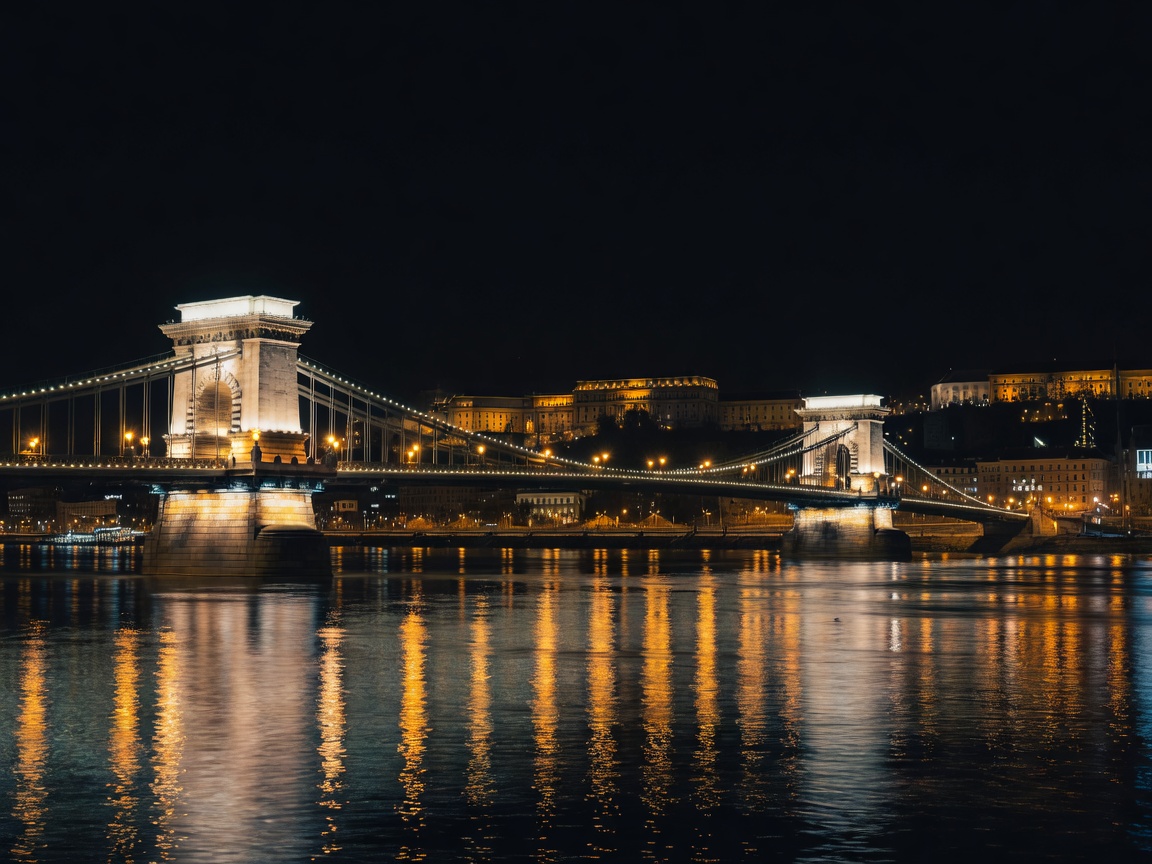
An independent Hungary travel publication
Discover thermal baths, historic cities, wine regions and unforgettable journeys across Hungary — researched on the ground, written without sponsorship, updated for the 2026 travel season.
Why this guide exists
Hungary packs an extraordinary amount into 93,000 square kilometres: a capital built on 120 thermal springs, a 600-kilometre wine trail, Central Europe's largest lake and a Baroque town in the hills that still sleeps above its own cellars.
Most visitors give Budapest two nights and leave. This publication is built for the traveller who wants the other seven — the Danube Bend at dawn, the cellar row in Eger, the volcanic vineyards above Lake Balaton, the tiled interiors of a 1913 bathhouse when the steam is still rising off the water at 6am.
Every route below has been walked, every ticket price checked against the operator, and every restaurant paid for in full. No affiliate hotel widgets, no sponsored “top ten”.
Browse all destinations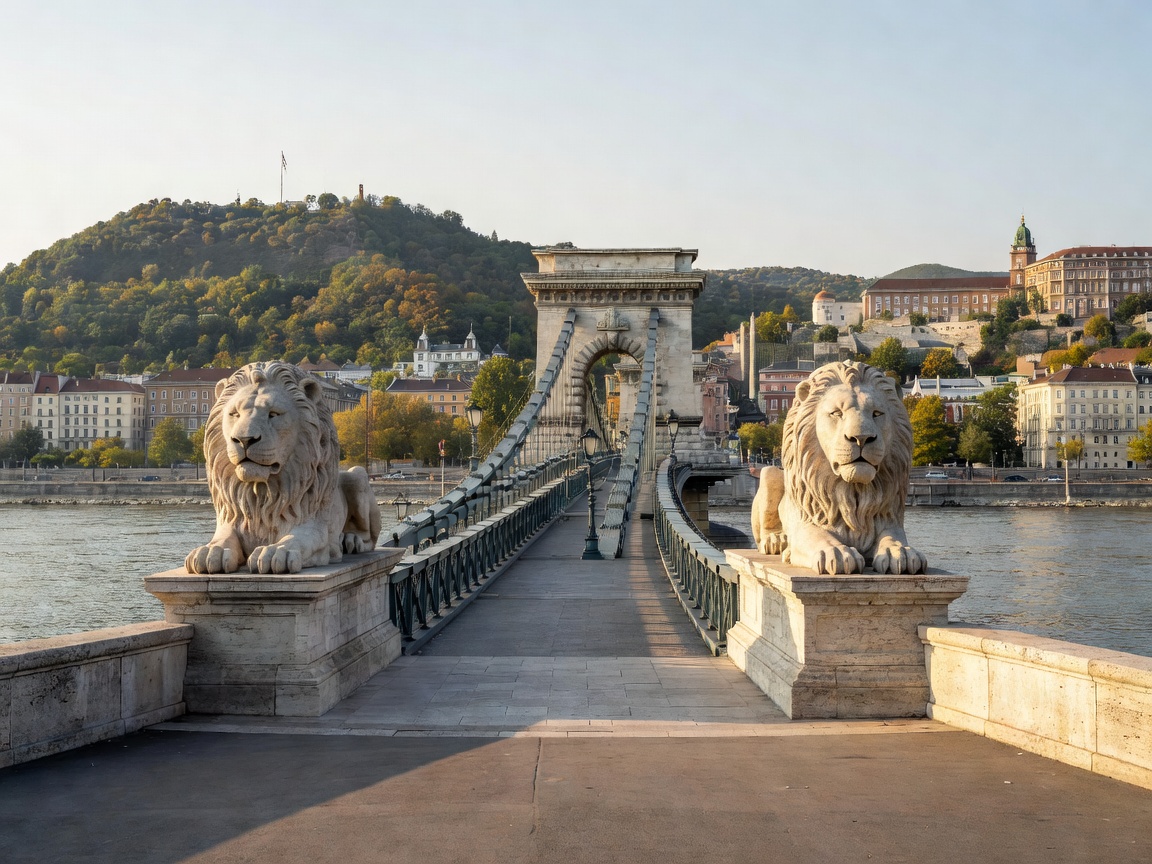
Chapter One — Destinations
From the capital's grand boulevards to a Baroque town of cellar doors, these are the places we return to — each with a full guide covering transport, timing, cost and the mistakes worth avoiding.
Capital
Two cities welded by eight bridges: hilly, residential Buda and the boulevard grid of Pest. Ruin bars, market halls, Art Nouveau facades and a thermal bath in a public park.
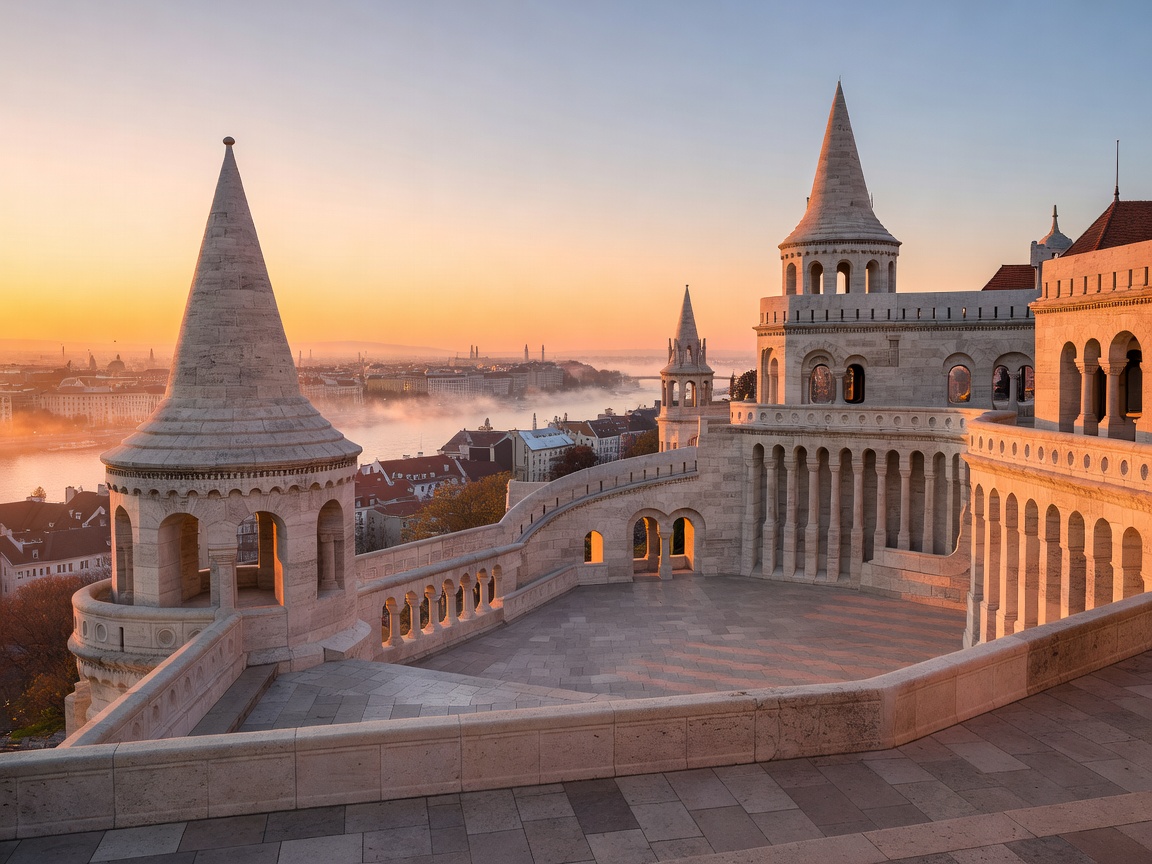 Historic quarter
A cobbled plateau of medieval cellars, Matthias Church tiles and the white turrets of the Fisherman's Bastion. Best at 7am, before the coach parties land.
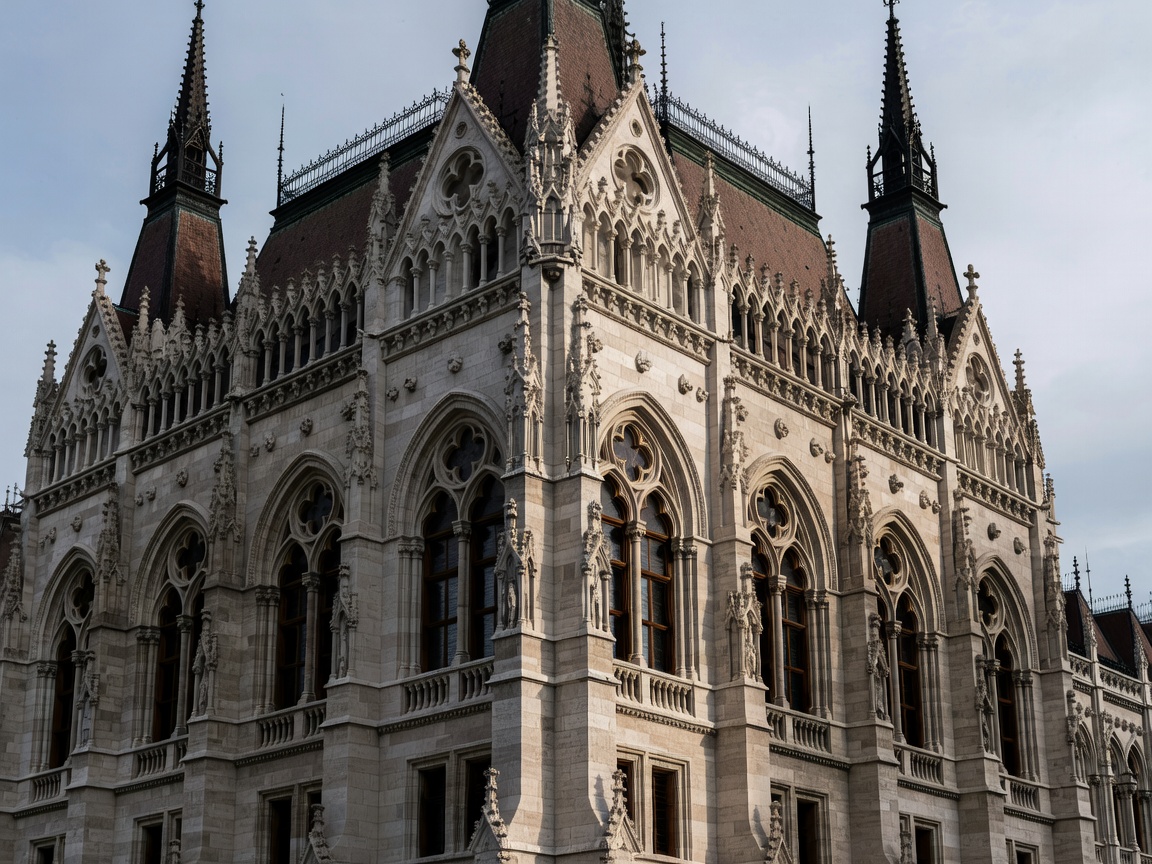 Landmark
691 rooms, 40 kilos of gold leaf and the Holy Crown of Hungary. How to book the guided tour, and which riverbank walk frames it best.
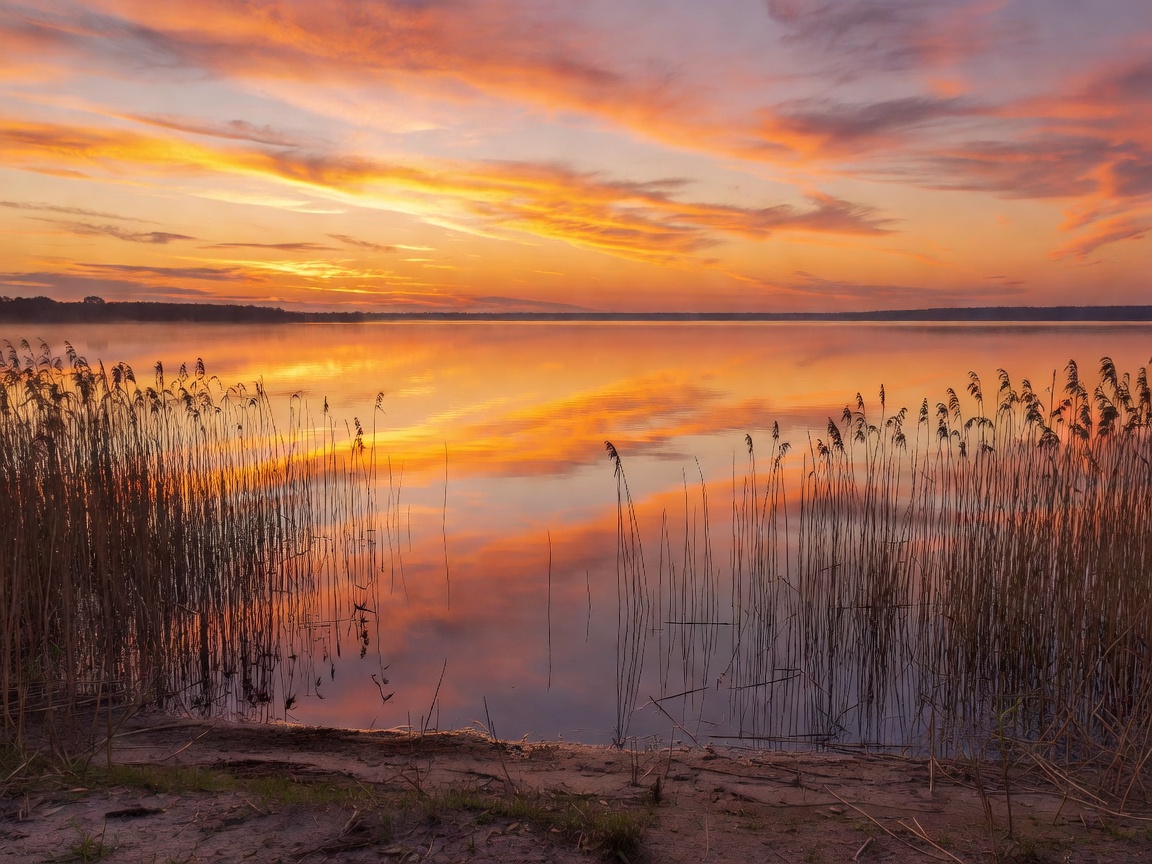 Lake
Central Europe's largest lake: shallow, warm and ringed by volcanic hills. Tihany's abbey, Badacsony's basalt vineyards and the ferry that cuts the drive in half.
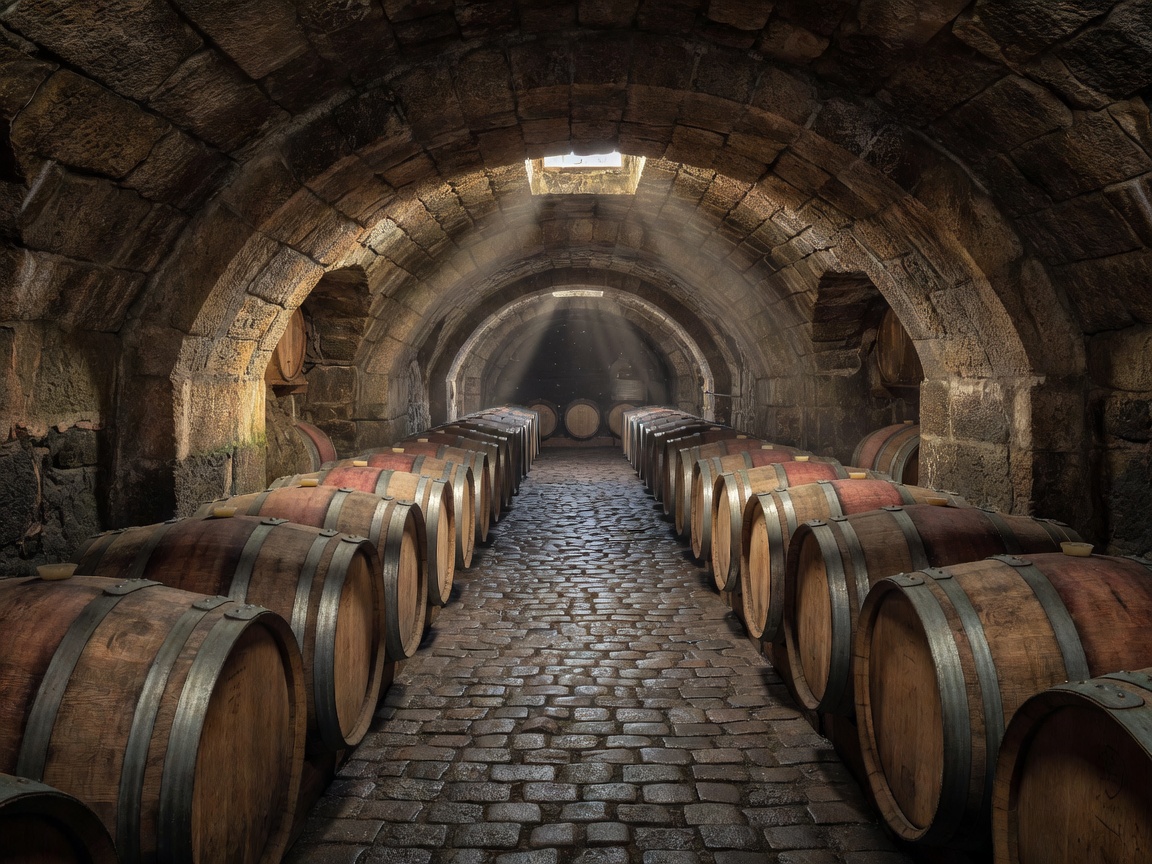 Wine town
A Baroque town under a minaret and a castle, with 200 cellars carved into the rhyolite of the Szépasszony Valley. Home of Egri Bikavér, the “Bull's Blood”.
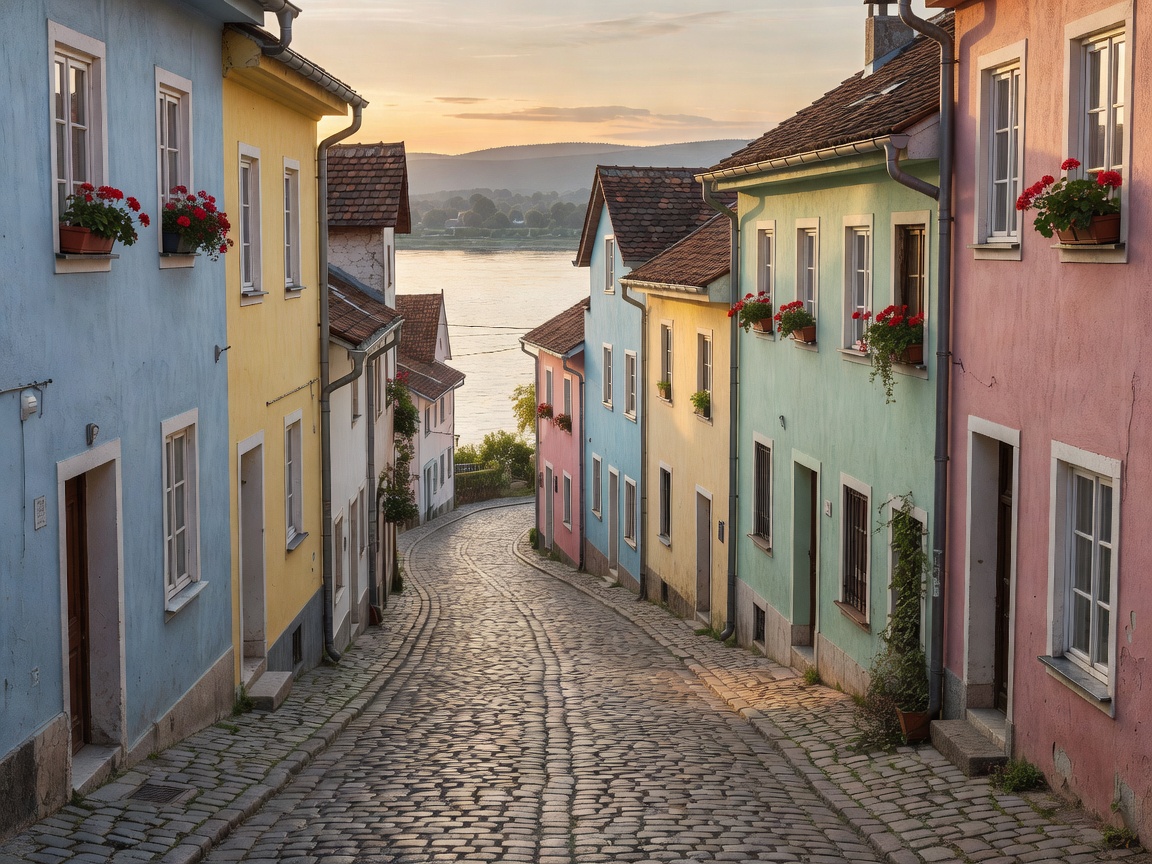 Day trip
Forty minutes on the HÉV suburban rail: ochre and rose houses, Serbian Orthodox churches, marzipan museums and a riverside promenade made for a slow lunch.
Chapter Two — Experiences
Thermal water, slow-cooked paprika, volcanic white wine and a café culture that never quite lost its imperial manners.
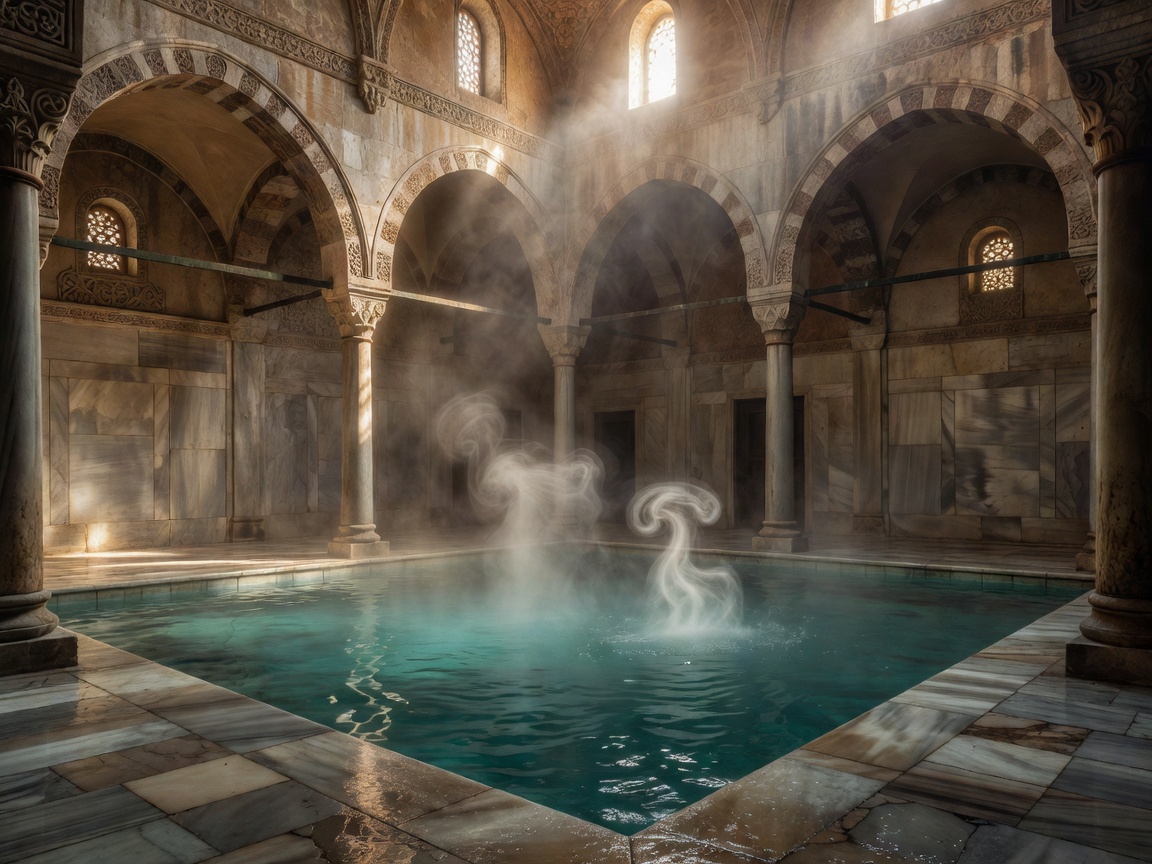 Bathing
Neo-Baroque, canary yellow and open since 1913. Fifteen indoor pools, three outdoor, and chess players at 38°C. Exactly when to arrive and what to bring.
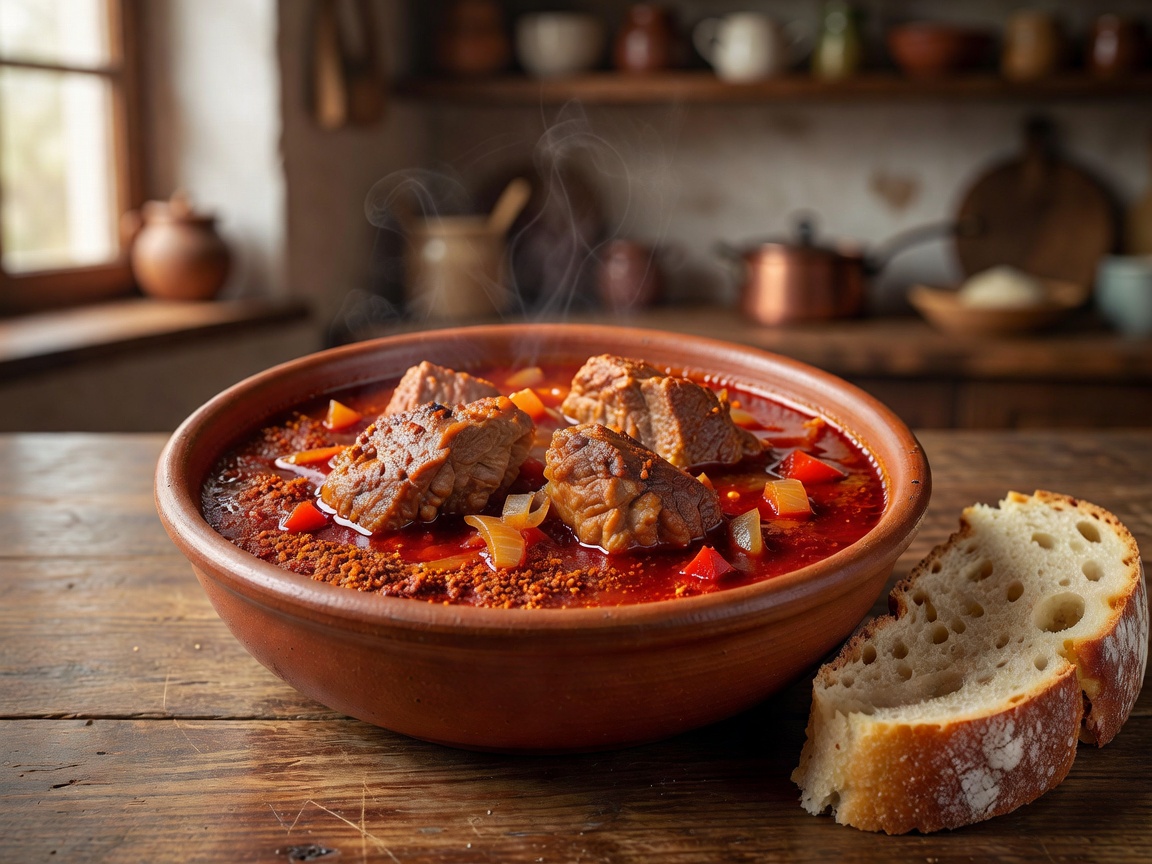 Food
Gulyás is a soup, pörkölt is the stew, and lángos belongs at the market before noon. A field guide to ordering well, plus eleven dishes worth crossing town for.
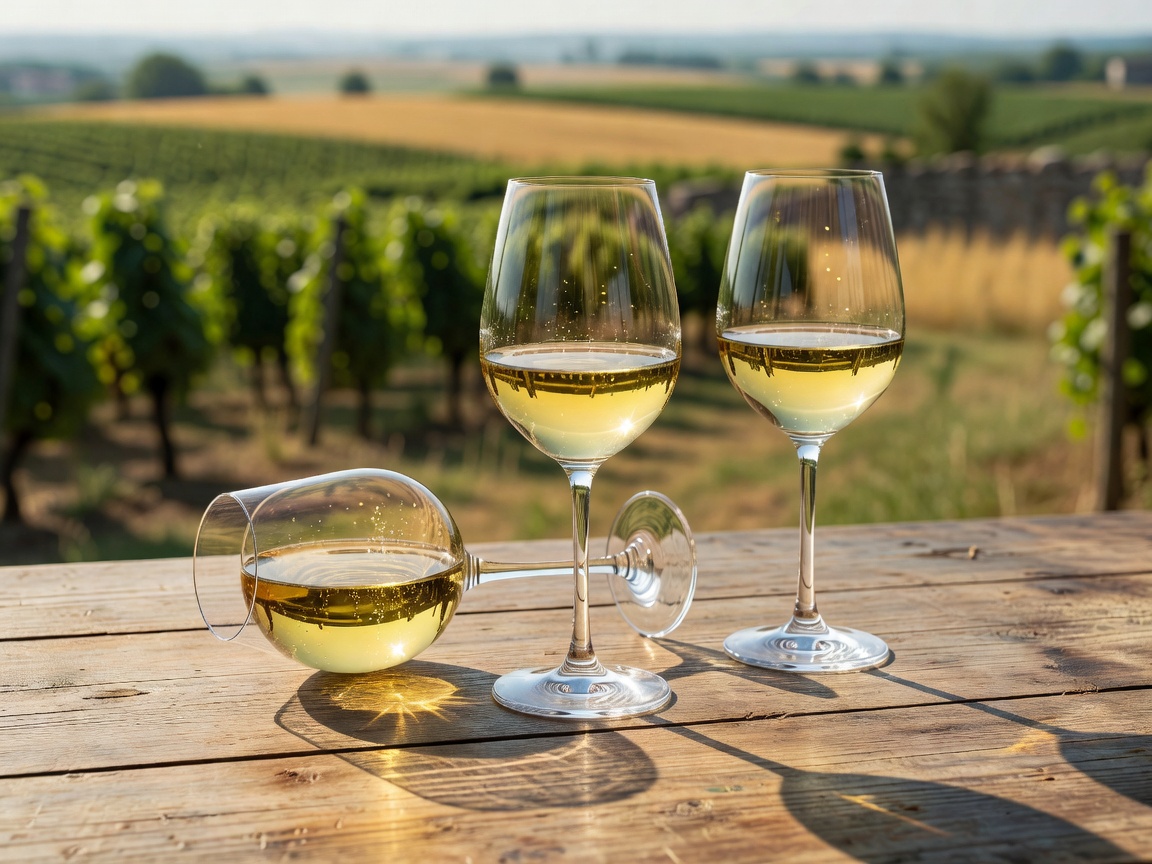 Wine
Tokaj's botrytised sweetness, Villány's structured reds, Somló's smoky volcanic whites. Which region suits which trip, and how to taste without a car.
Chapter Three — Itineraries
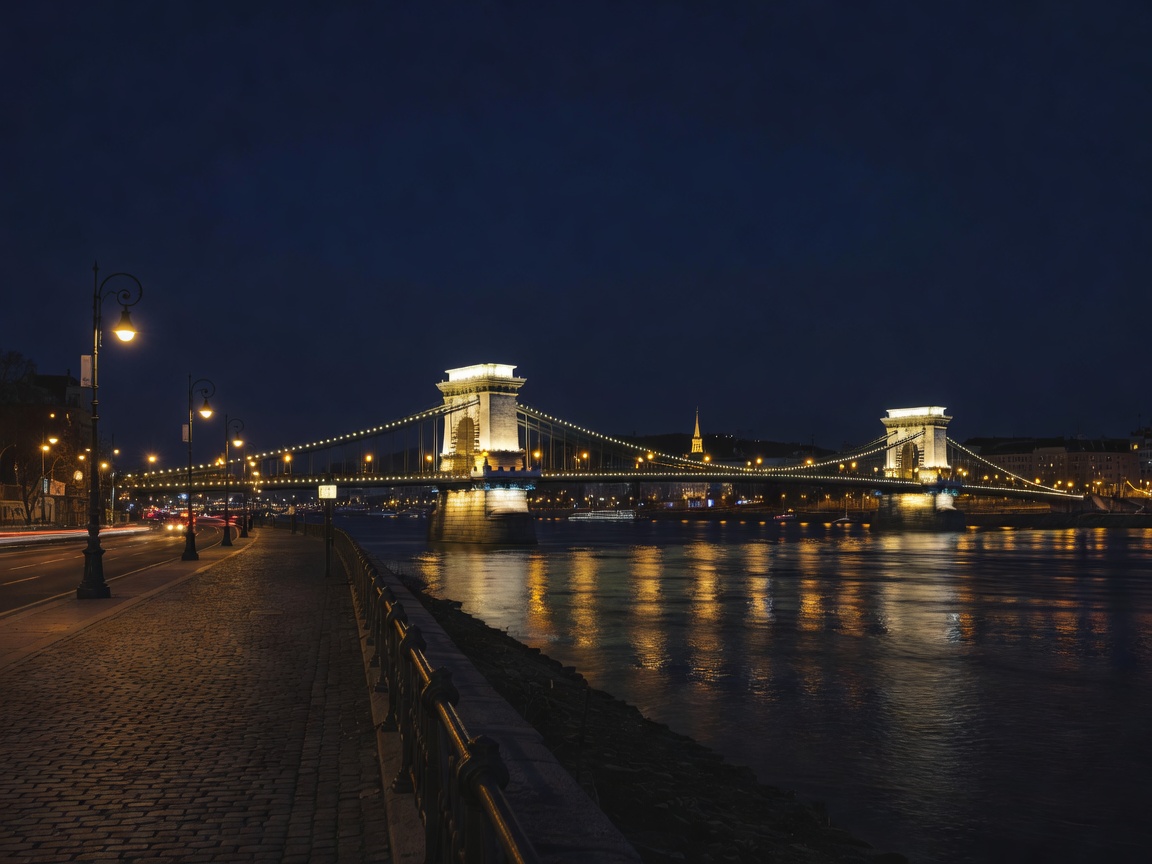 72 hours
Friday evening arrival to Sunday afternoon departure: a bath at opening time, the Great Market Hall before the crowds, a District VII dinner and a night walk along the Pest embankment.
 One day
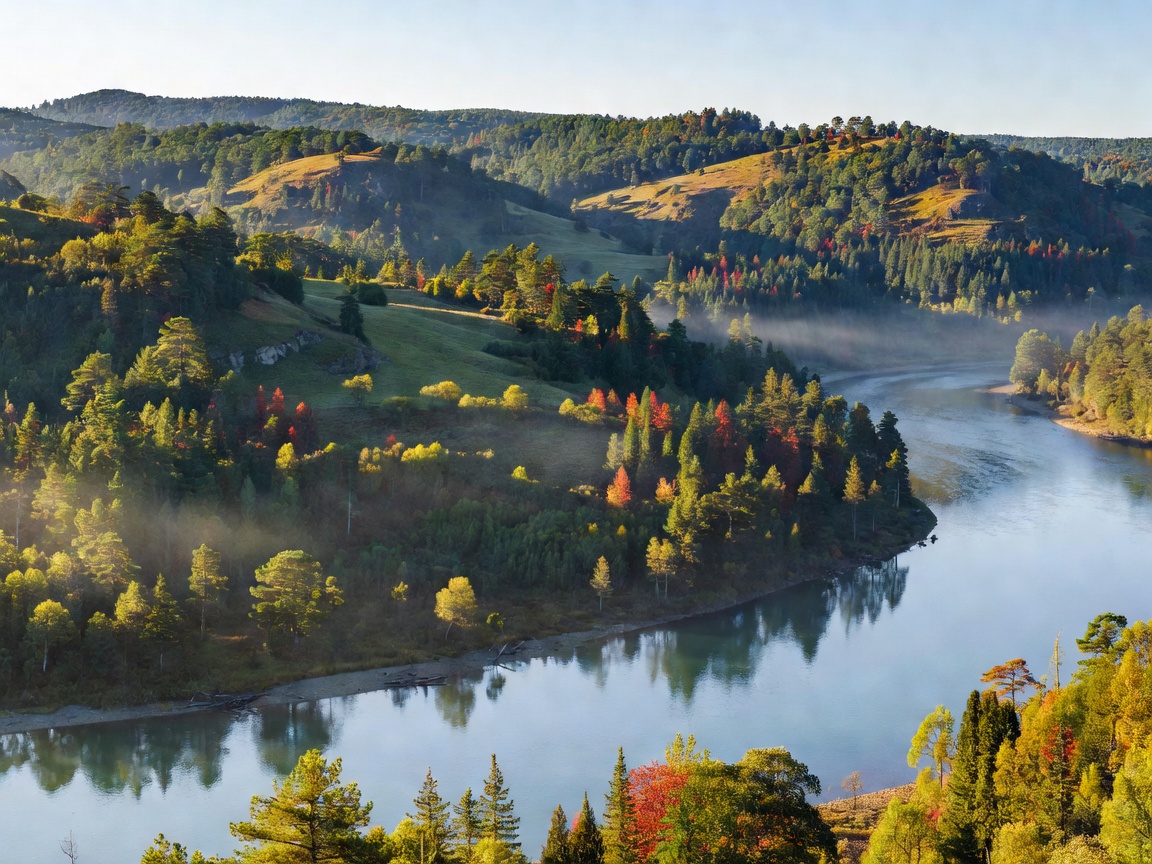
Szentendre, Visegrád citadel and Esztergom basilica linked by train, bus and the summer ferry — the classic loop, with the timings that actually connect.
Chapter Four — Practical
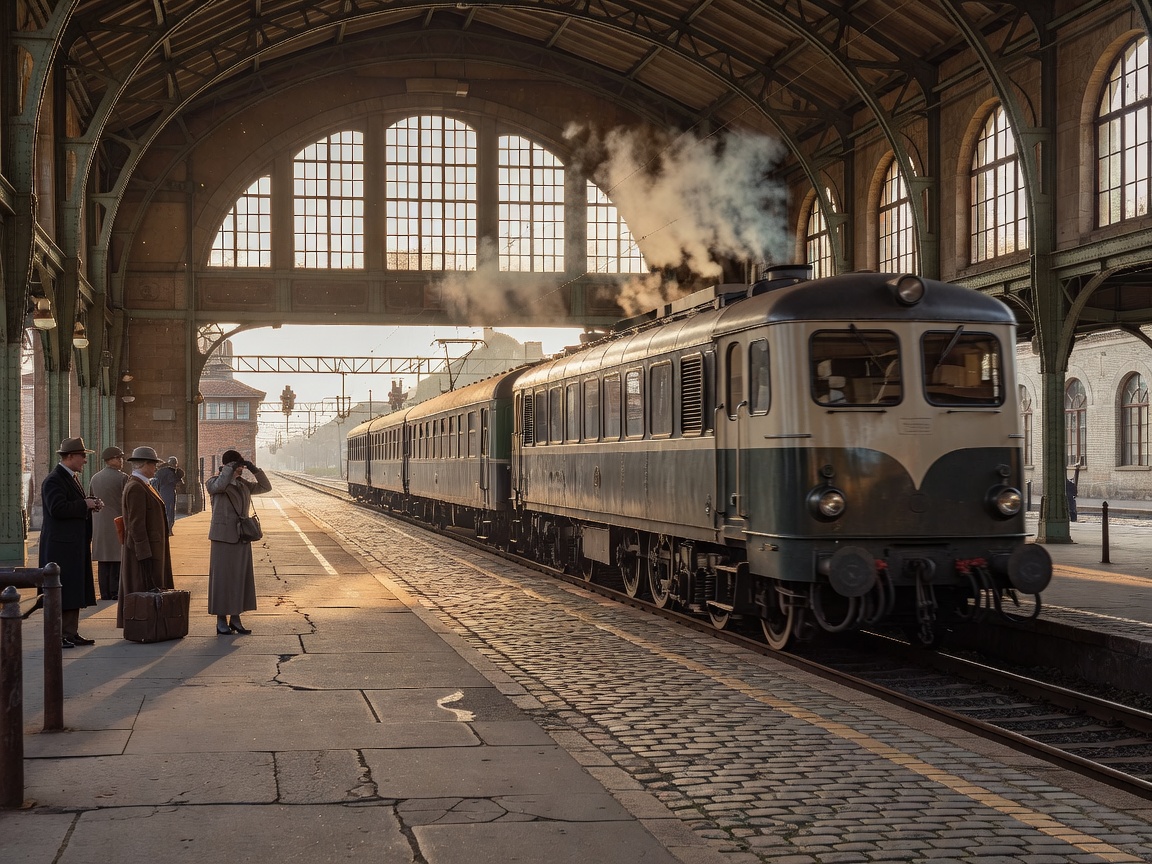
Budapest's four metro lines, 1913-era trams and yellow HÉV suburban trains run on one integrated ticket system — and almost every visitor overpays on day one. Our practical section covers validation rules, airport transfer options, intercity rail booking and what a taxi should legitimately cost.
Frequently asked
Tell us how many nights you have and what you like — thermal water, wine, architecture, hiking — and we'll point you to the right routes in our archive.
Ask the editors