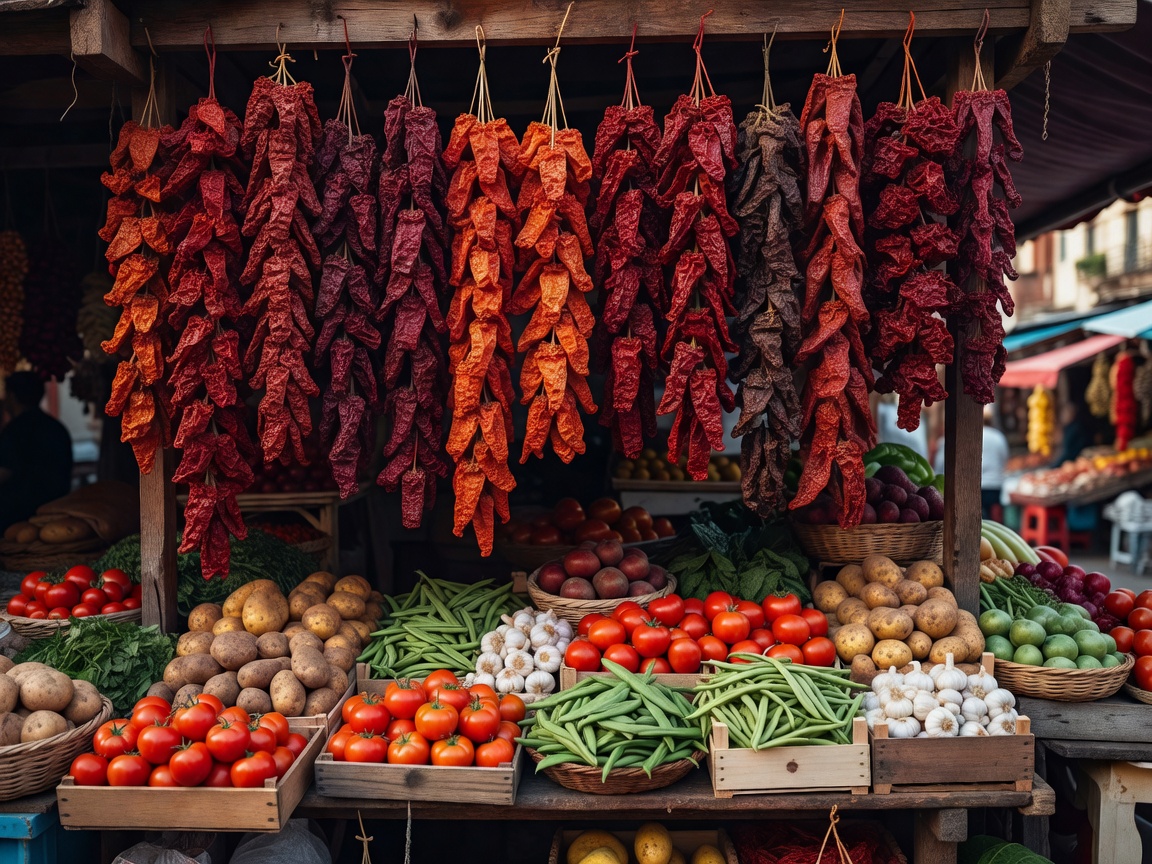
 Market
 halls
The Great Market Hall (Nagycsarnok) for produce and souvenirs, Hold utca and Fény utca for a real local lunch counter. Go before 11:00; most halls close early Saturday and all day Sunday.
CheapMornings
Home / Experiences / Hungarian Cuisine
Paprika, pork fat, sour cream and patience. A field guide to ordering well in a country that takes lunch seriously.
First principles
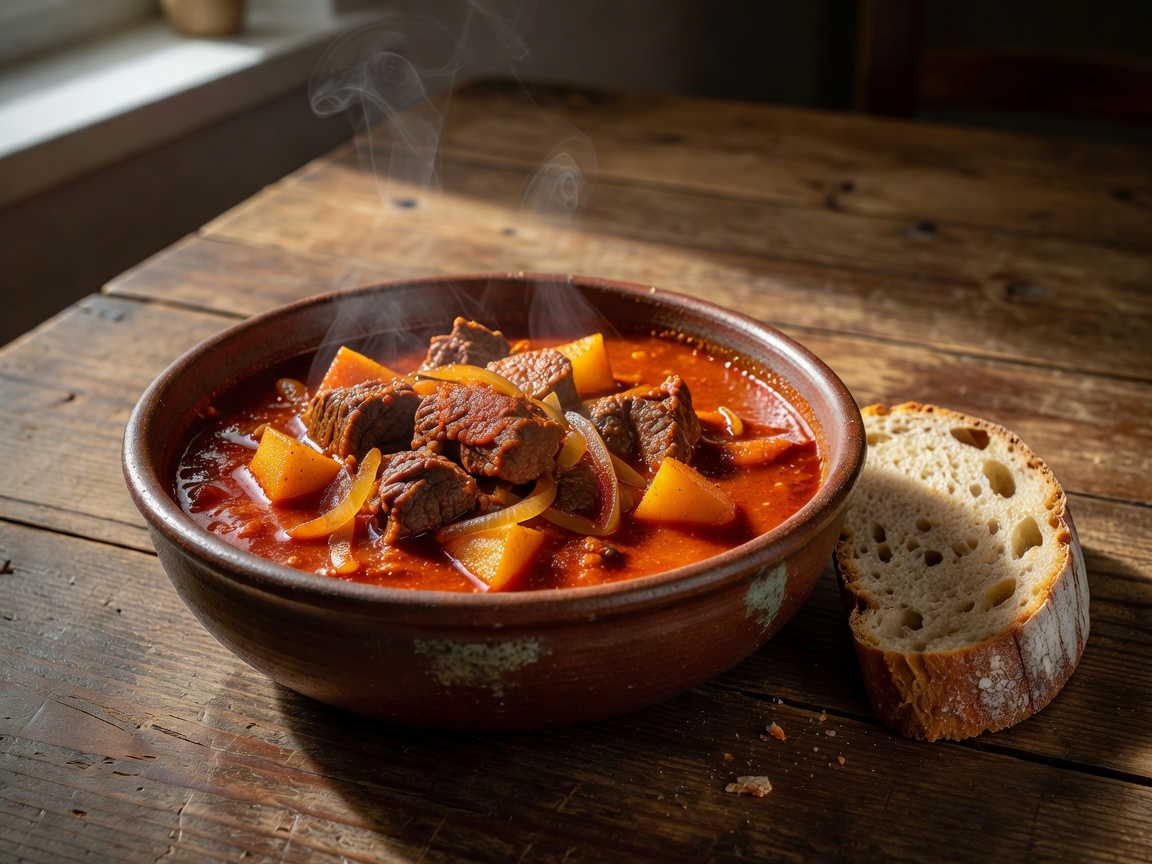
The single most useful thing a visitor can learn is the difference between the three paprika dishes. Gulyás (goulash) is a brothy soup with beef, potato, carrot and csipetke pinched noodles — eaten as a first course. Pörkölt is the thick stew that the rest of the world calls goulash, served with nokedli dumplings. Paprikás is pörkölt finished with sour cream, most famously with chicken.
Paprika itself is not one ingredient. Hungarian cooks distinguish édesnemes (sweet noble), csípős (hot), csemege (delicate) and füstölt (smoked), and a good cook uses more than one. It is added off the heat, because paprika burns and turns bitter in seconds — this is why a proper pörkölt tastes deep rather than acrid.
Where to eat
MarketThe Great Market Hall (Nagycsarnok) for produce and souvenirs, Hold utca and Fény utca for a real local lunch counter. Go before 11:00; most halls close early Saturday and all day Sunday.
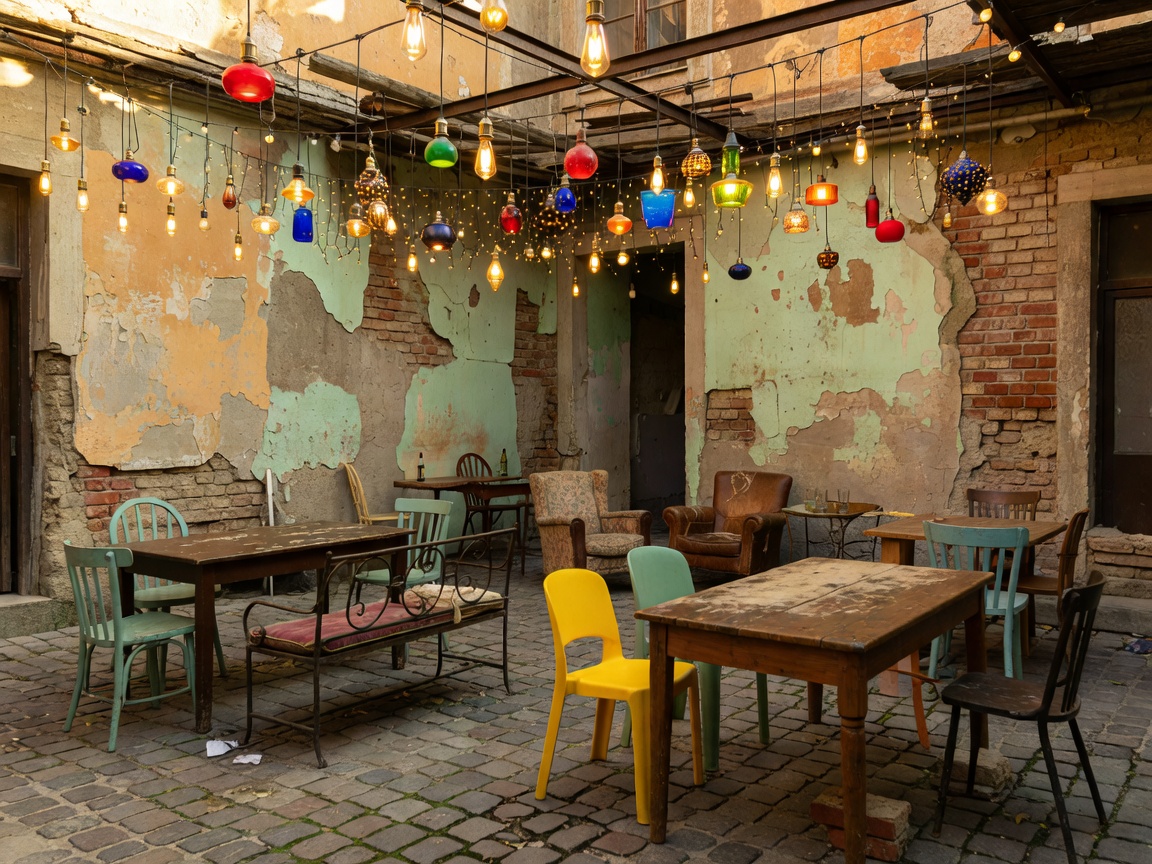 Étterem
White tablecloths, gypsy violin optional, portions large. Look for places with a Hungarian-language daily menu chalked outside — a reliable sign of a local clientele.
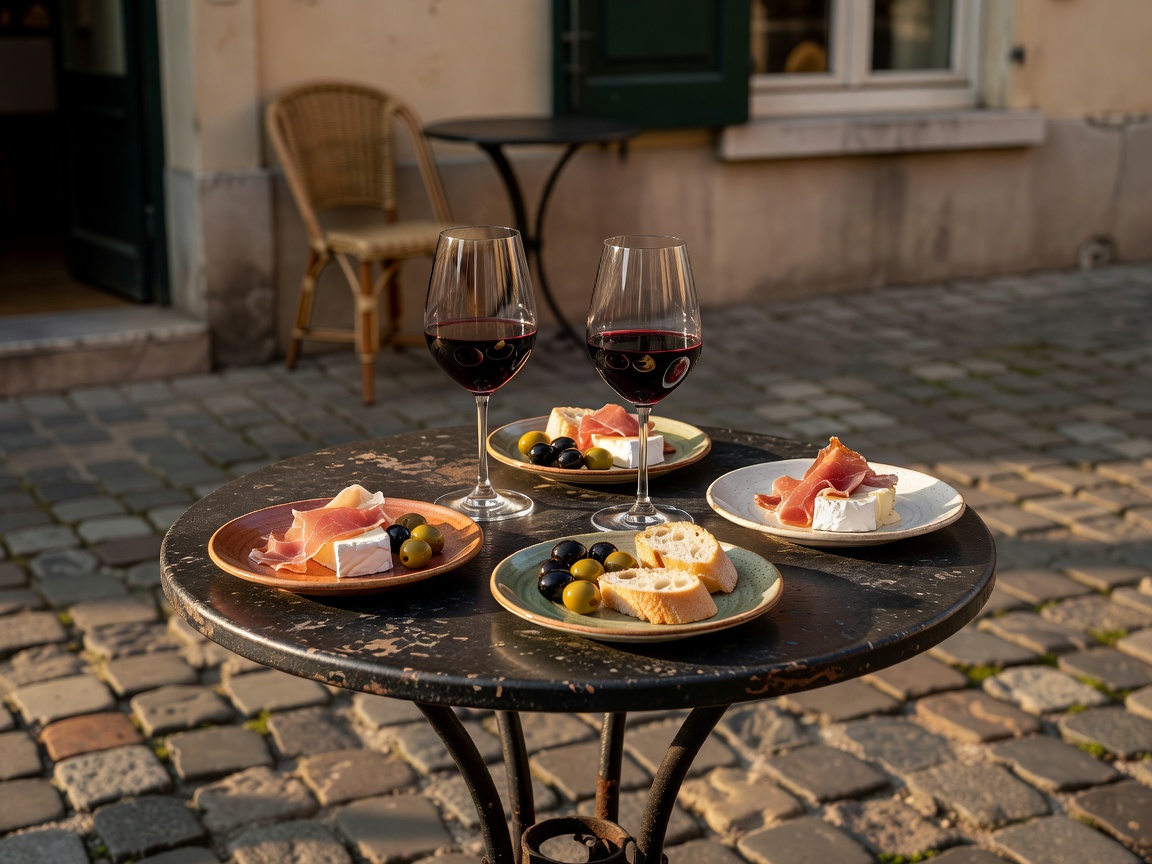 Modern
Since 2010 a generation of chefs has rebuilt Hungarian cooking around local producers, Mangalica pork, grey cattle and native grapes. Budapest now holds several Michelin stars.
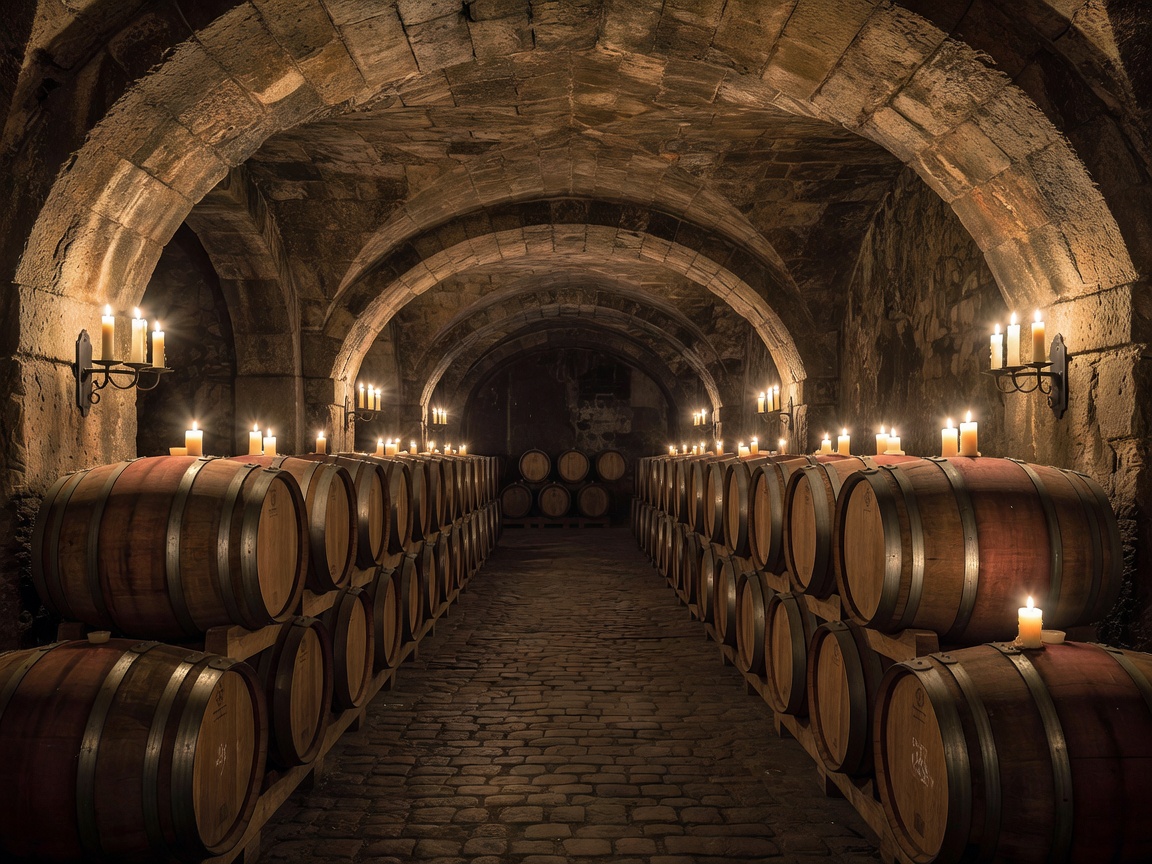 Cellar
In Eger and Villány, cellars serve simple plates built to accompany wine: pogácsa scones, sausage, sheep cheese, pickles and bread. Order food, always.
At the table
Tipping is expected: 10–12% is normal, given in cash or added when paying by card — say the total you want charged before the terminal is handed over. Check whether a service charge (szervízdíj) is already included; if it is, an extra tip is optional.
Do not clink beer glasses. The tradition dates to 1849 and the execution of the thirteen martyrs of Arad, and although the 150-year embargo has formally expired, many Hungarians still avoid it. Clinking wine glasses is perfectly fine.
| Hungarian | English | Notes |
|---|---|---|
| Napi menü | Daily menu | Weekday lunch, best value in the country |
| Előétel / Leves | Starter / Soup | Soup is a genuine course, not an afterthought |
| Köret | Side dish | Often charged separately from the main |
| Csípős | Spicy | Usually means genuinely hot |
| Vegetáriánus | Vegetarian | Ask whether the base uses pork fat or meat stock |
| Fröccs | Wine spritzer | Comes in a dozen named ratios; kisfröccs is the standard |
Hungarian cooking is meat-heavy, but it is far easier than it was a decade ago. Traditional options include rakott karfiol (baked cauliflower), gombapaprikás (mushroom paprikash), túrós csusza without bacon, and főzelék — a thick vegetable purée served at dedicated lunch bars. Budapest has a solid number of fully vegan kitchens in Districts V, VI and VII.
Questions