 Free
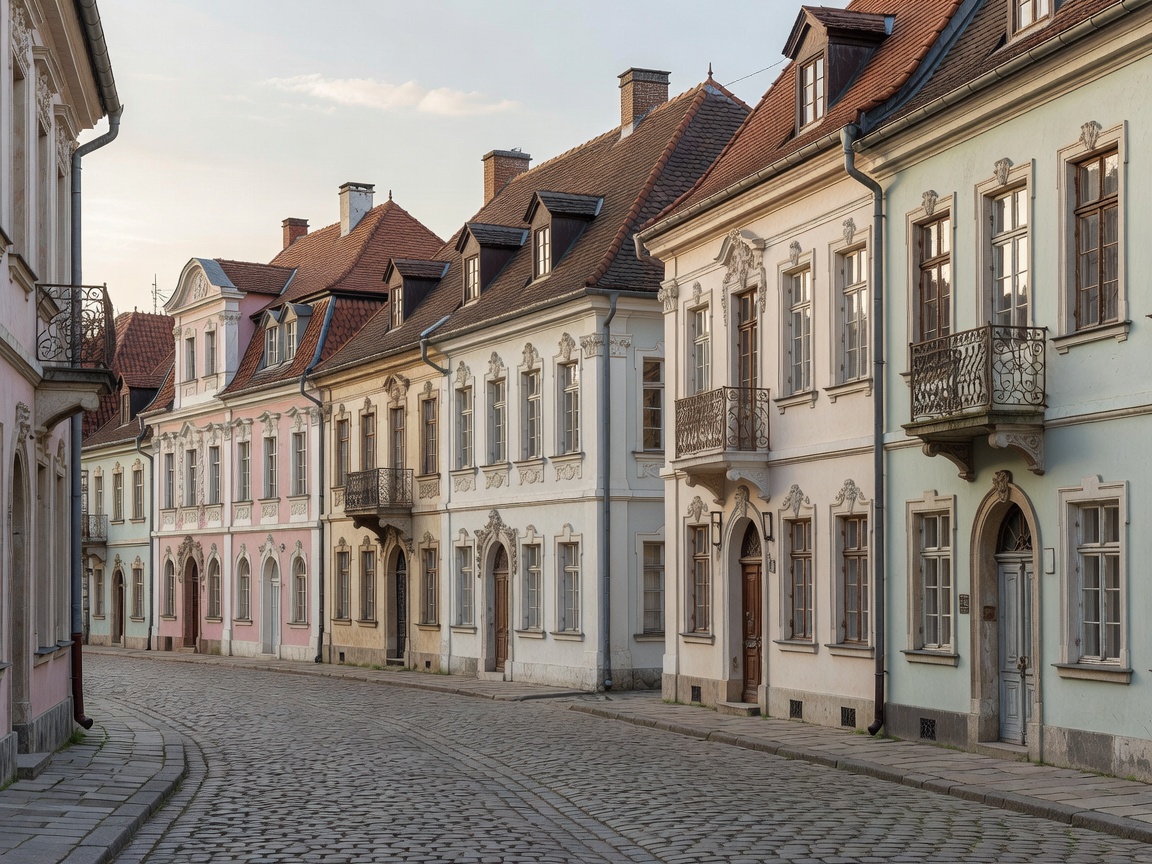
Úri utca & the back lanes
Medieval sedilia, Baroque facades and courtyards that are still residential. The district's true texture, and almost tourist-free after 100 metres.
45 minWalking
Home / Destinations / Buda Castle District
A cobbled limestone plateau of medieval cellars, Gothic doorways and Habsburg reconstruction — and the single best view in Hungary.
The hill
Castle Hill has been destroyed more comprehensively than almost any European quarter of comparable importance — by the Ottomans, by the 1686 siege that expelled them, and most brutally in the winter of 1944–45. What you walk through today is a careful, partly archaeological reconstruction, and you can see the seams if you look.
Start at Szentháromság tér, the small square at the heart of the district, and walk the three parallel streets — Úri utca, Országház utca and Tóth Árpád sétány — rather than sticking to the main tourist artery. Úri utca holds the district's most intact medieval sedilia, the carved niches set into gateway arches where servants once waited. Tóth Árpád sétány, running along the western rampart, is lined with chestnut trees and almost always empty.
Officially the Church of the Assumption of the Buda Castle, it is known universally for the fifteenth-century king who married here twice. The diamond-patterned Zsolnay roof tiles date from Frigyes Schulek's 1874–96 restoration, as does much of the interior's saturated Romantic-nationalist painting. Buy the combined ticket that includes the tower climb if the weather is clear; the spiral is tight and unsuitable for anyone with mobility issues.
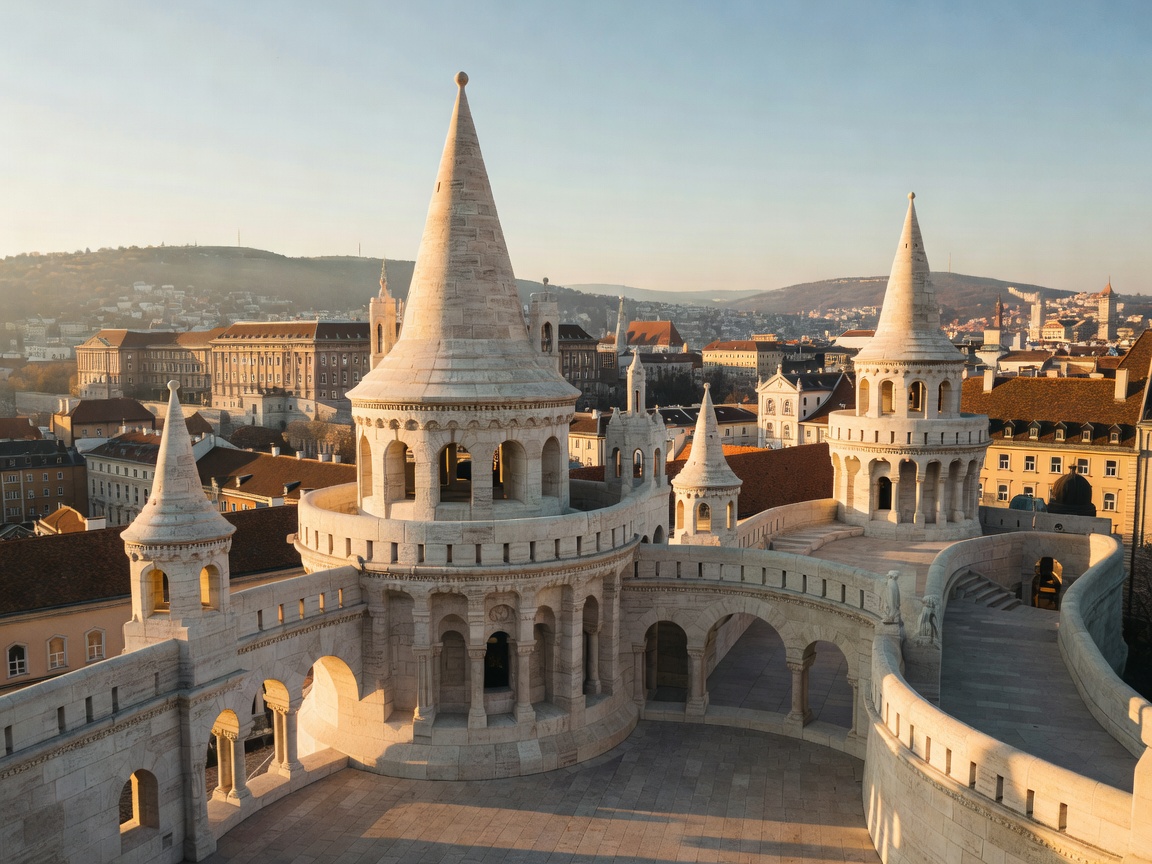
Seven stone turrets for the seven Magyar tribes, built between 1895 and 1902 purely as a viewing terrace. The lower level is free and open all day. Only the upper terraces charge an entry fee, and only during daytime hours — arrive before 09:00 or after the ticket desks close in the evening and you can stand on the same stones for nothing.
The vast Baroque-revival block at the southern end houses the Hungarian National Gallery and the Budapest History Museum. The Gallery's Gothic winged altarpieces and its nineteenth-century collection (Munkácsy, Szinyei Merse) are the strongest reason to go inside. The courtyards, the Matthias Fountain and the Habsburg Steps can be visited freely.
On the hill
FreeMedieval sedilia, Baroque facades and courtyards that are still residential. The district's true texture, and almost tourist-free after 100 metres.
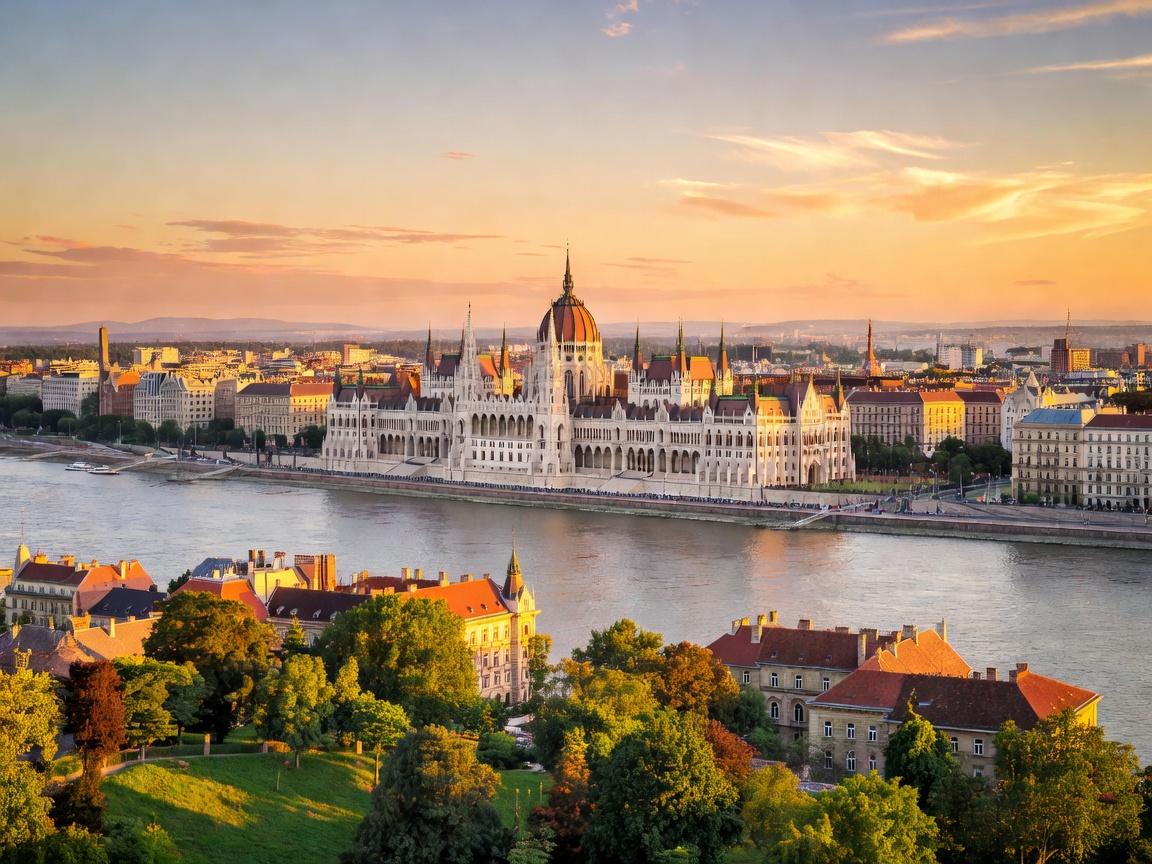 Viewpoint
The northern Bastion terraces frame the Parliament perfectly. Best light is the first hour after sunrise and the ten minutes after the floodlights come on.
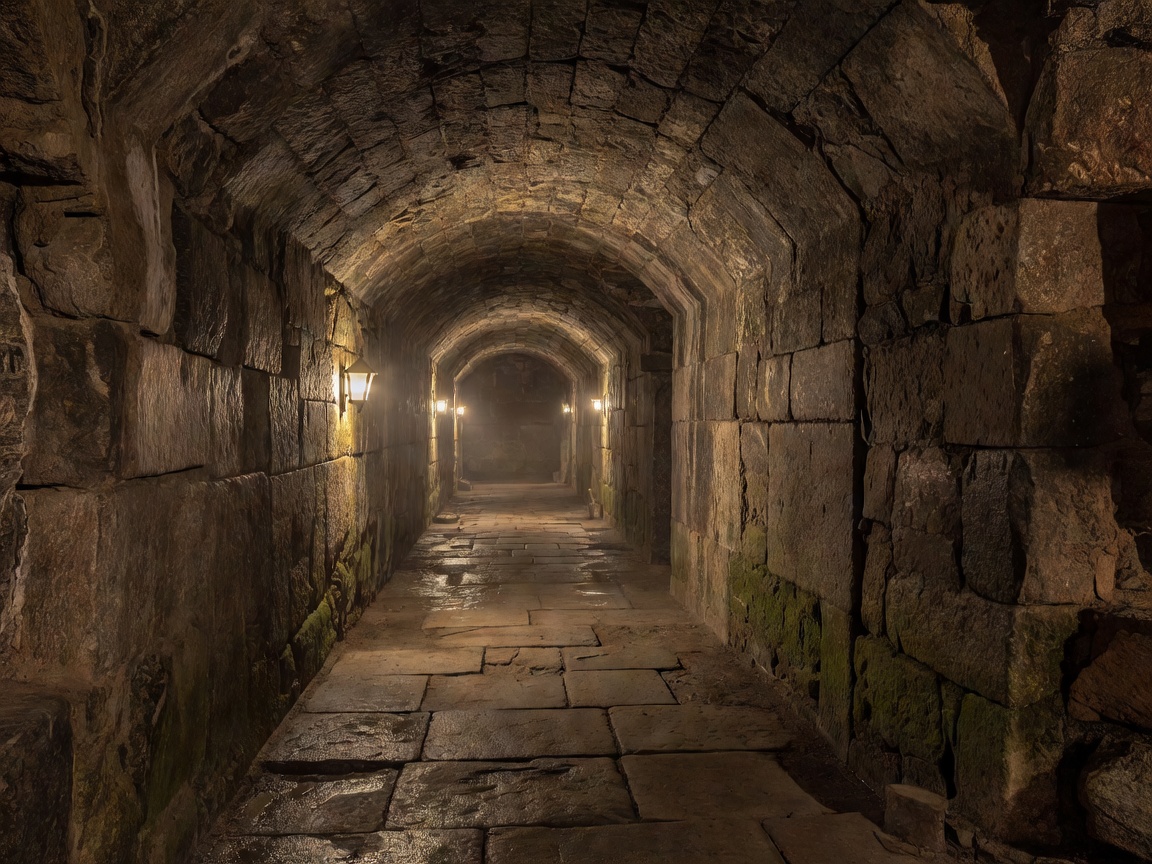 Underground
A wartime emergency hospital and later nuclear bunker inside the hill's natural cave system. Guided tours only, cool year-round — take a layer.
Getting up there
| Route | From | Time | Notes |
|---|---|---|---|
| Castle funicular (Sikló) | Clark Ádám tér | 90 seconds | Opened 1870; queues at midday; separate ticket, not on travelcards |
| Bus 16 | Deák Ferenc tér | 12 min | Runs to Dísz tér, covered by standard transport tickets |
| Walking up Hunyadi János út | Chain Bridge | 15 min | Steady incline, free, good views on the way |
| Castle Garden Bazaar lifts | Ybl Miklós tér | 8 min | Step-free option through the restored 1875 terraces |
Castle Hill is not a great dining district — prices are high and quality is inconsistent. Have a coffee and a slice of Dobos torte at one of the Tárnok utca cafés, then descend to Batthyány tér or cross the Chain Bridge for lunch. If you do want a proper meal up top, book in advance and expect capital-city prices.
Questions