 Wine
Hungary's wine regions
Where Eger sits in the national picture, and how it compares with Villány, Szekszárd and Tokaj.
22 regionsTastings
Home / Destinations / Eger
A Baroque town in the Bükk foothills with a fortress, a minaret, thermal water and two hundred cellars cut into soft volcanic rock.
The town
In 1552 an Ottoman army besieged Eger Castle for 39 days and failed to take it. The defence, led by István Dobó and immortalised in Géza Gárdonyi's novel Eclipse of the Crescent Moon, remains a founding story of Hungarian national identity — every Hungarian schoolchild reads it, which is why the castle is busy with domestic visitors as much as foreign ones.
The town fell eventually, in 1596, and spent ninety years under Ottoman rule; the 40-metre minaret on Knézich Károly utca is the northernmost surviving Ottoman minaret in Europe and you can still climb its 97 tight spiral steps. After the reconquest the bishops rebuilt Eger in a warm, confident Baroque that survives almost intact around Dobó István tér.
Allow two hours. The ticket covers the ramparts, the Gothic bishop's palace, the István Dobó Castle Museum and the casemates — the underground gun galleries where you can see how the defence was engineered. The view over the red roofs to the Basilica is the best in town.
Hungary's second-largest church, a neoclassical block by József Hild, faces the Lyceum across Eszterházy tér. Go into the Lyceum for the Camera Obscura on the top floor — an 1776 optical instrument that projects a live, moving image of the town onto a white table in a darkened room. There are only a handful of working examples in the world.
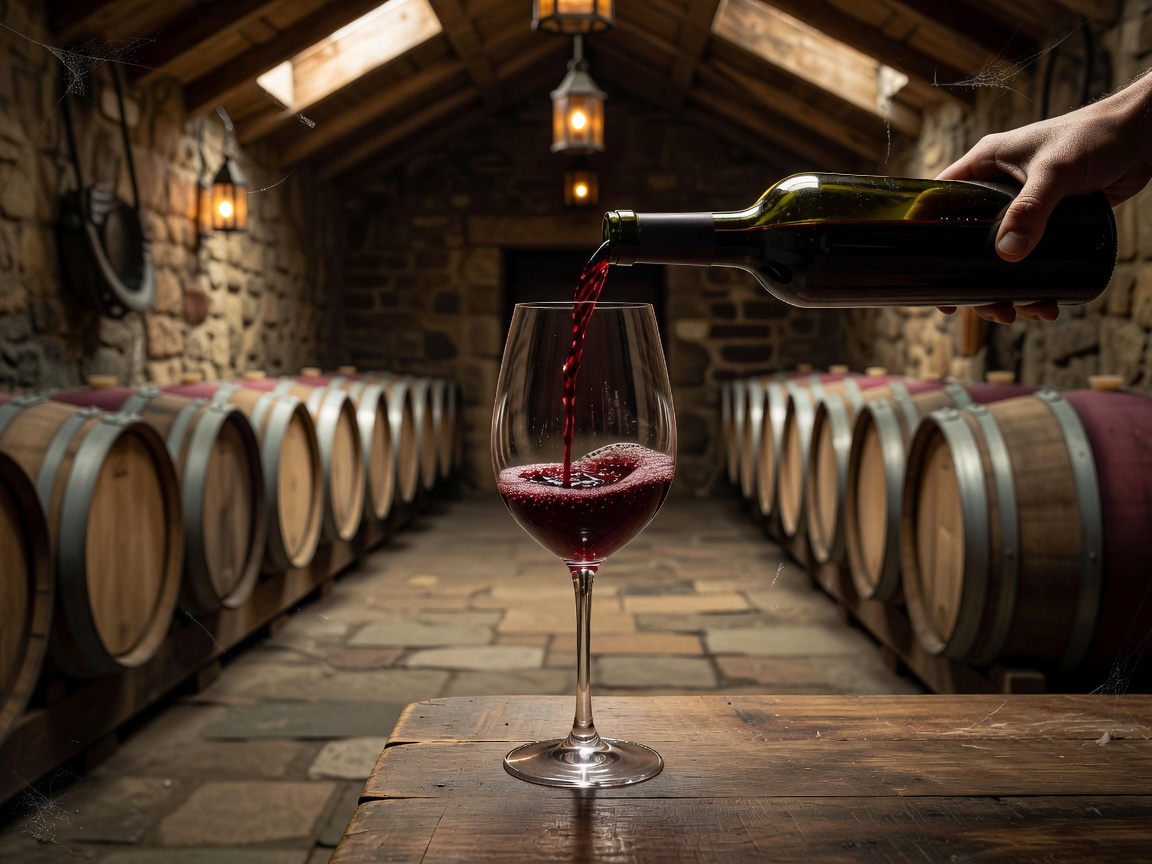
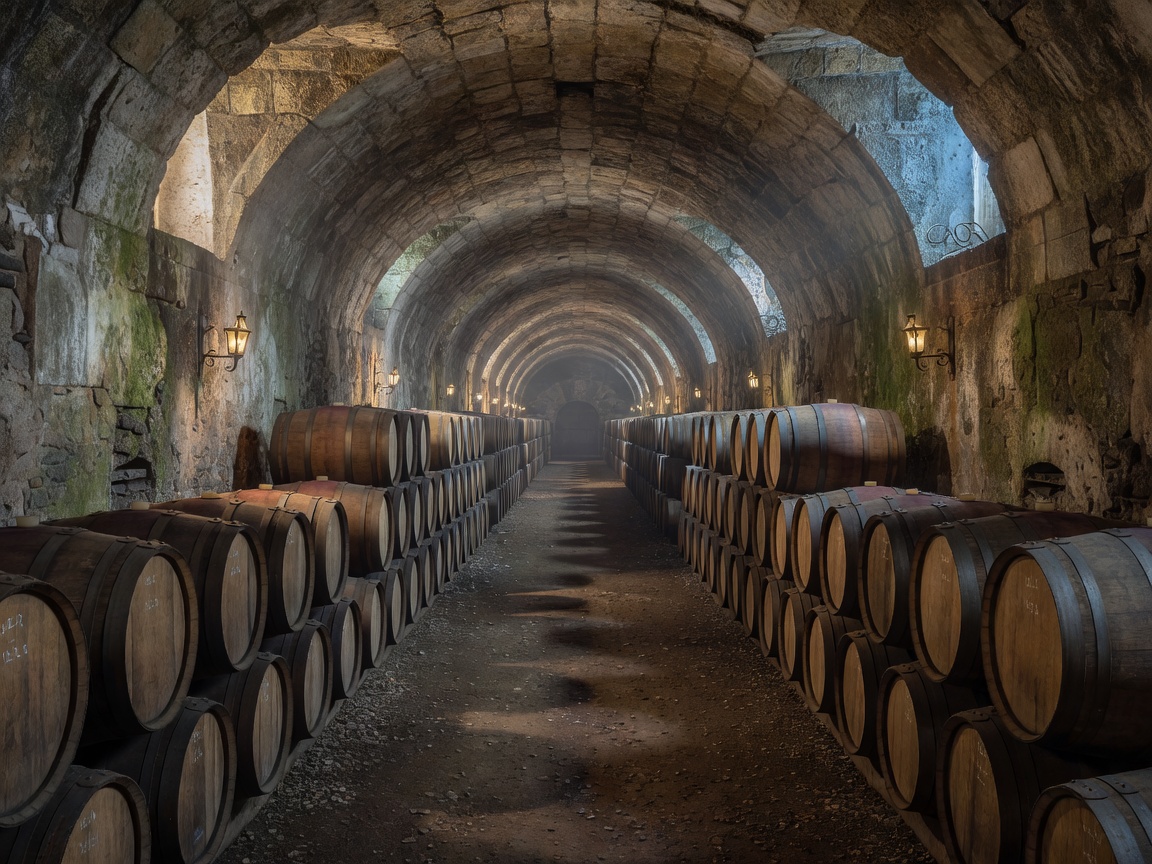
A fifteen-minute walk or short taxi ride from the centre, this is a horseshoe of rock faces into which around two hundred cellar doors have been cut. Some are basic wooden-bench operations pouring from the barrel; others are polished tasting rooms. Egri Bikavér — “Bull's Blood” — is the famous blend, but the Egri Csillag white blend and the local Kékfrankos are frequently better value. Cellars 5, 13, 17 and 31 are the usual starting recommendations. Do not drive.
Plan it
WineWhere Eger sits in the national picture, and how it compares with Villány, Szekszárd and Tokaj.
 Thermal
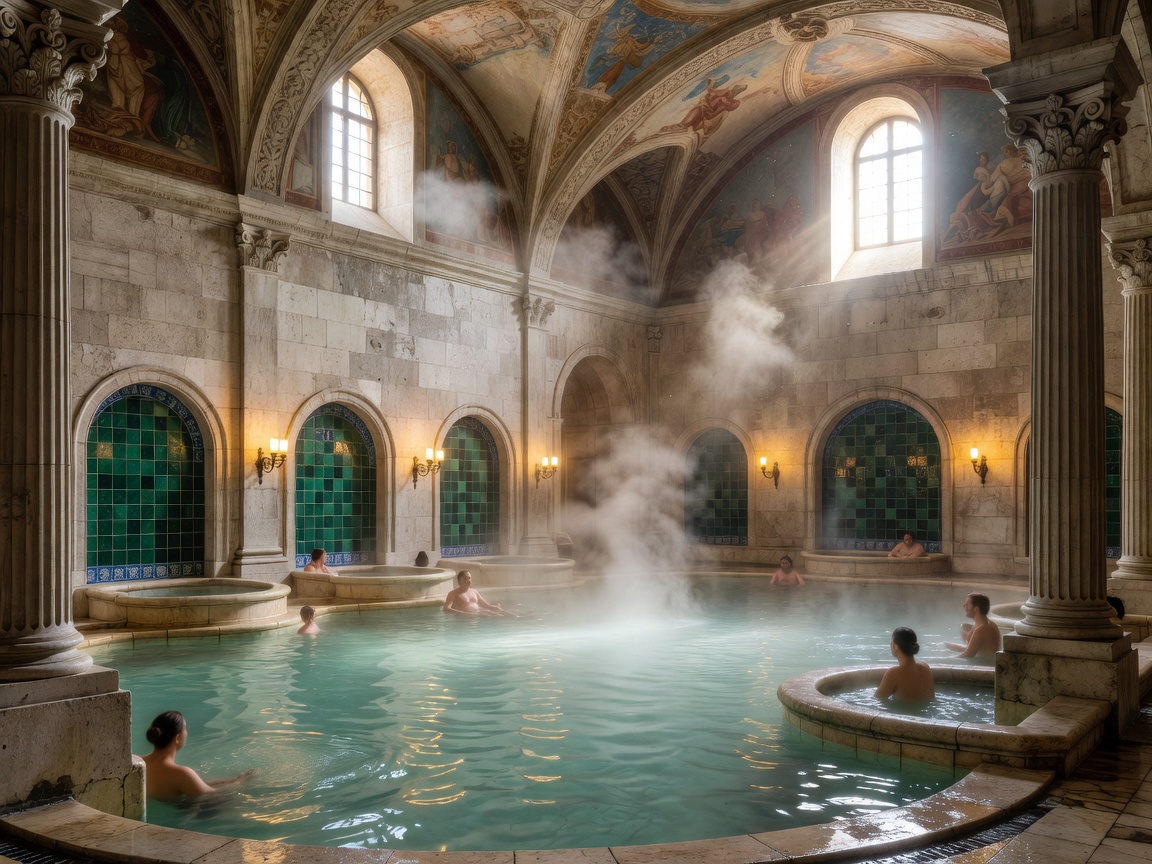
Six kilometres out of town, a salt hill formed by mineral water cascading down a limestone terrace, with a modern spa built around it.
 Food
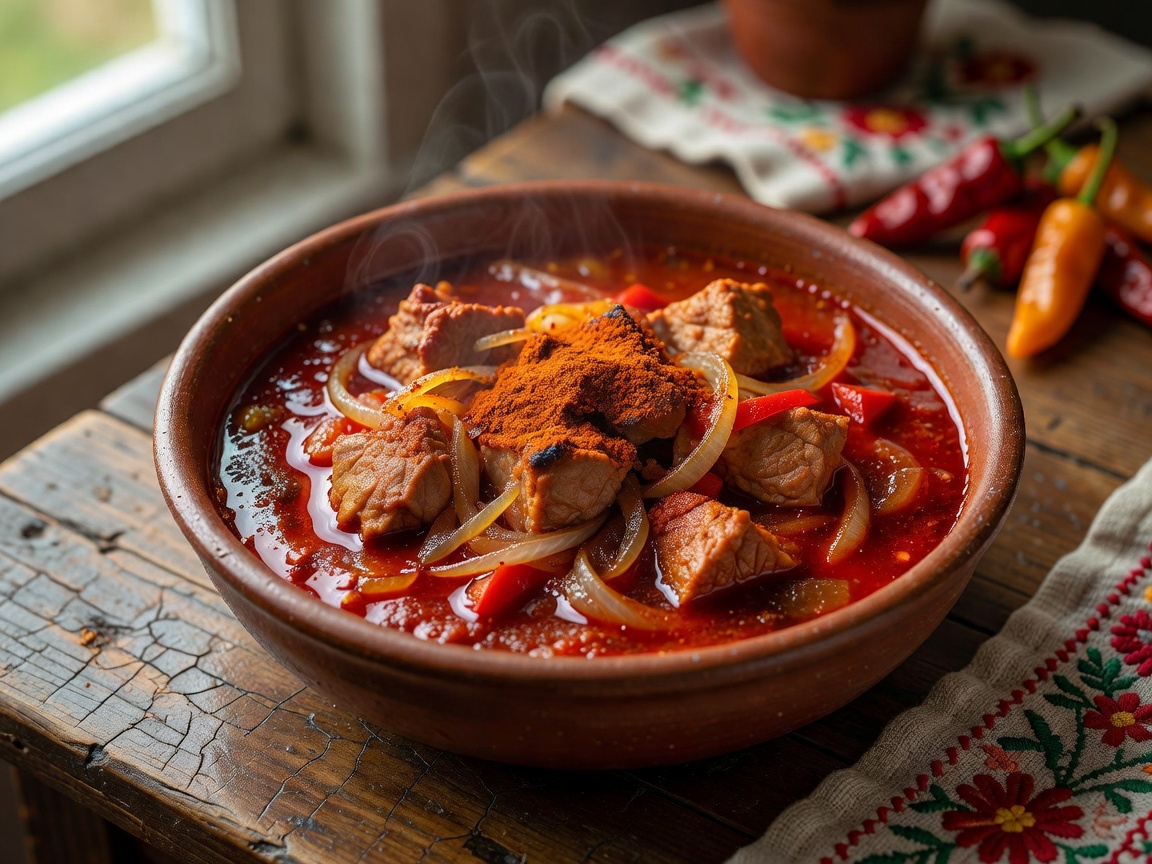
Northern Hungarian cooking: game stews, gombóc dumplings, and the cellar staple of pogácsa with a glass of Kékfrankos.
A day in Eger
| Time | Where | Notes |
|---|---|---|
| 07:30 | Depart Budapest Keleti | Direct train, reserve a seat on summer weekends |
| 09:40 | Arrive Eger, walk to Dobó tér | 15 minutes on foot, or bus 11/12 |
| 10:00 | Eger Castle | Casemates and museum, about two hours |
| 12:15 | Lunch on Dobó tér | Daily menus around 3,500 HUF |
| 13:30 | Minaret and Basilica | Climb the minaret only if you are comfortable in tight spaces |
| 15:00 | Szépasszony Valley | Three cellars maximum; taste, do not drink |
| 18:45 | Train back to Budapest | Arrive Keleti around 20:50 |
Questions