 Wine hills
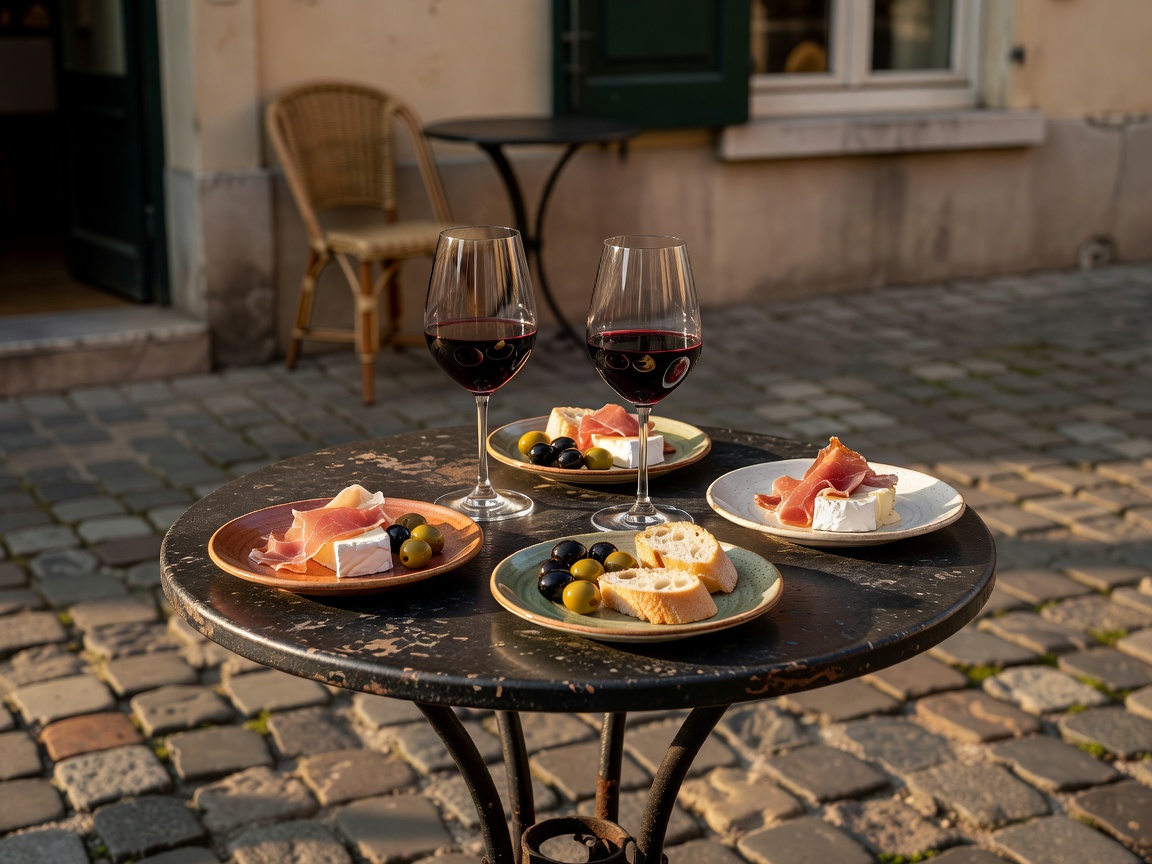
Badacsony & the volcanic whites
Olaszrizling, Kéknyelű and Szürkebarát grown on basalt. Several cellars are within walking distance of the train halt, which means you can taste without driving.
TastingsRail access
Home / Destinations / Lake Balaton
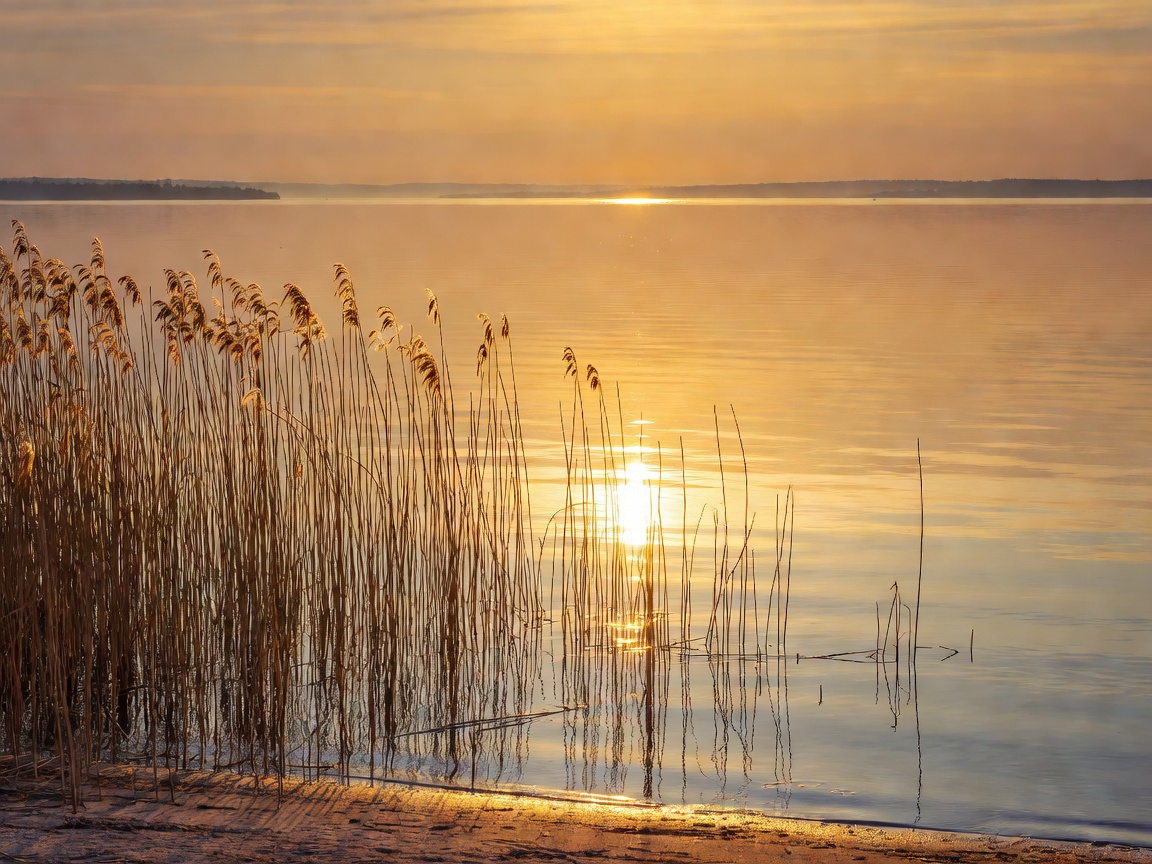
Seventy-seven kilometres of shallow, sun-warmed water, framed by extinct volcanoes, lavender fields and some of Hungary's best white wine.
Orientation
Balaton is shallow enough to walk out fifty metres on the southern side and still be waist-deep, which is why generations of Hungarian families spend August there. The north shore is a different proposition: steeper, rockier, built on volcanic basalt, and covered in vineyards.
North shore — Balatonfüred, Tihany, Badacsony, Szigliget, Keszthely. Wine, hiking, reformed Baroque villages, thermal water at Hévíz. This is where to go if you want a landscape and a table rather than a beach club.
South shore — Siófok, Zamárdi, Balatonlelle. Long sandy municipal beaches, warm shallow entries, festivals and nightlife. Convenient by train from Budapest's Déli station and better for families with small children.
A peninsula almost cutting the lake in half, crowned by a Benedictine abbey founded in 1055. The abbey's founding deed is the oldest surviving document containing Hungarian words. Walk the Inner Lake circuit, buy lavender in July, and take the echo path below the abbey wall. Parking is difficult in August; come by bus from Balatonfüred or on the Szántód car ferry.
A truncated basalt cone rising straight out of the water, with terraced vineyards on every south-facing slope. The local Kéknyelű grape grows almost nowhere else on earth. Hike up to the Kisfaludy lookout for the full lake panorama, then descend for a tasting at one of the press-houses on the hillside.
At the lake's western end, Keszthely has the Festetics Palace, a 101-room Baroque complex with a genuinely good library and a formal garden. Six kilometres north is Hévíz, the world's largest thermal lake, where you float in a wooden pavilion above 38 metres of warm mineral water.
Around the lake
Wine hillsOlaszrizling, Kéknyelű and Szürkebarát grown on basalt. Several cellars are within walking distance of the train halt, which means you can taste without driving.
 Hiking
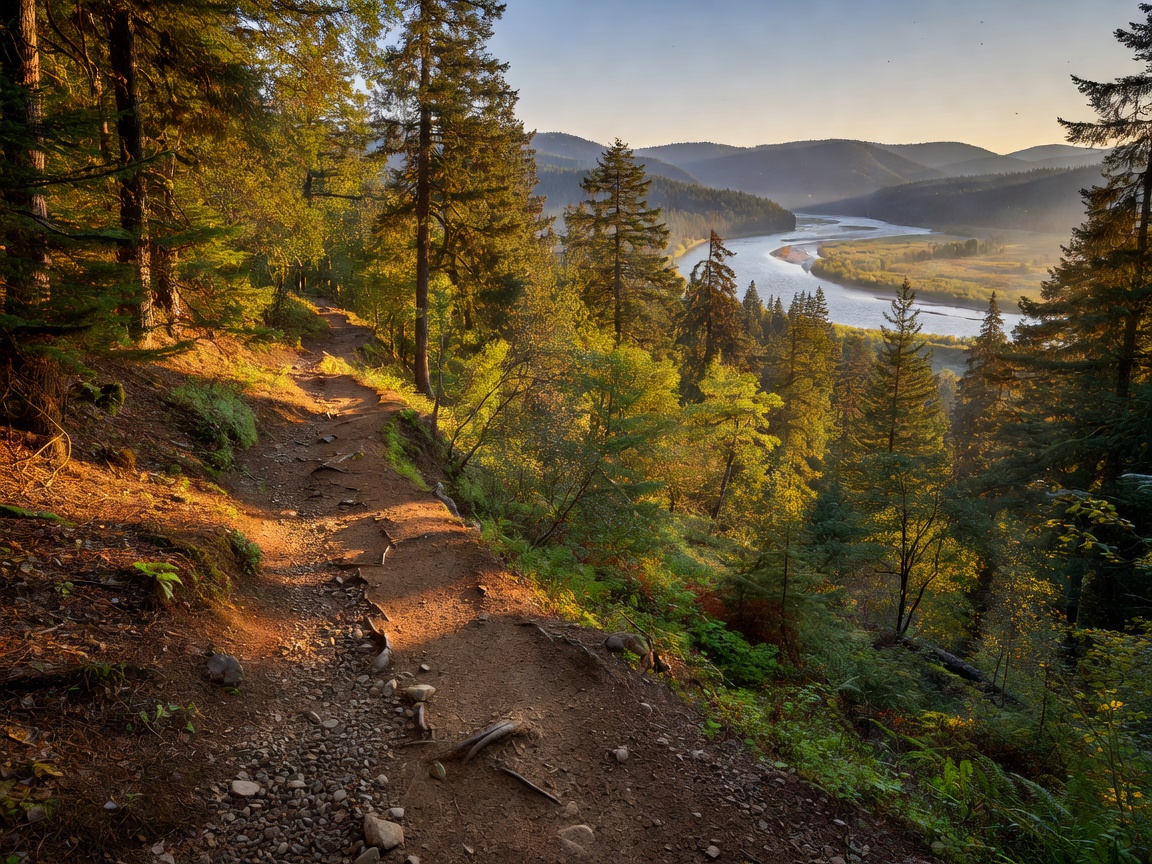
A national park of geyserite cones, buffalo reserves at Kápolnapuszta and the Tapolca cave lake you can row through by boat.
Logistics
| Connection | Operator | Time | Frequency |
|---|---|---|---|
| Budapest Déli → Balatonfüred | MÁV rail | 2h 10 | Roughly hourly |
| Budapest Déli → Siófok | MÁV rail | 1h 30 | Roughly hourly |
| Balatonfüred → Tihany | Volánbusz | 20 min | Every 30–60 min |
| Szántód → Tihany-rév | Car ferry | 10 min | Every 40 min, year-round |
| Balatonfüred → Siófok | Passenger boat | 1h | Seasonal, Apr–Oct |
Questions