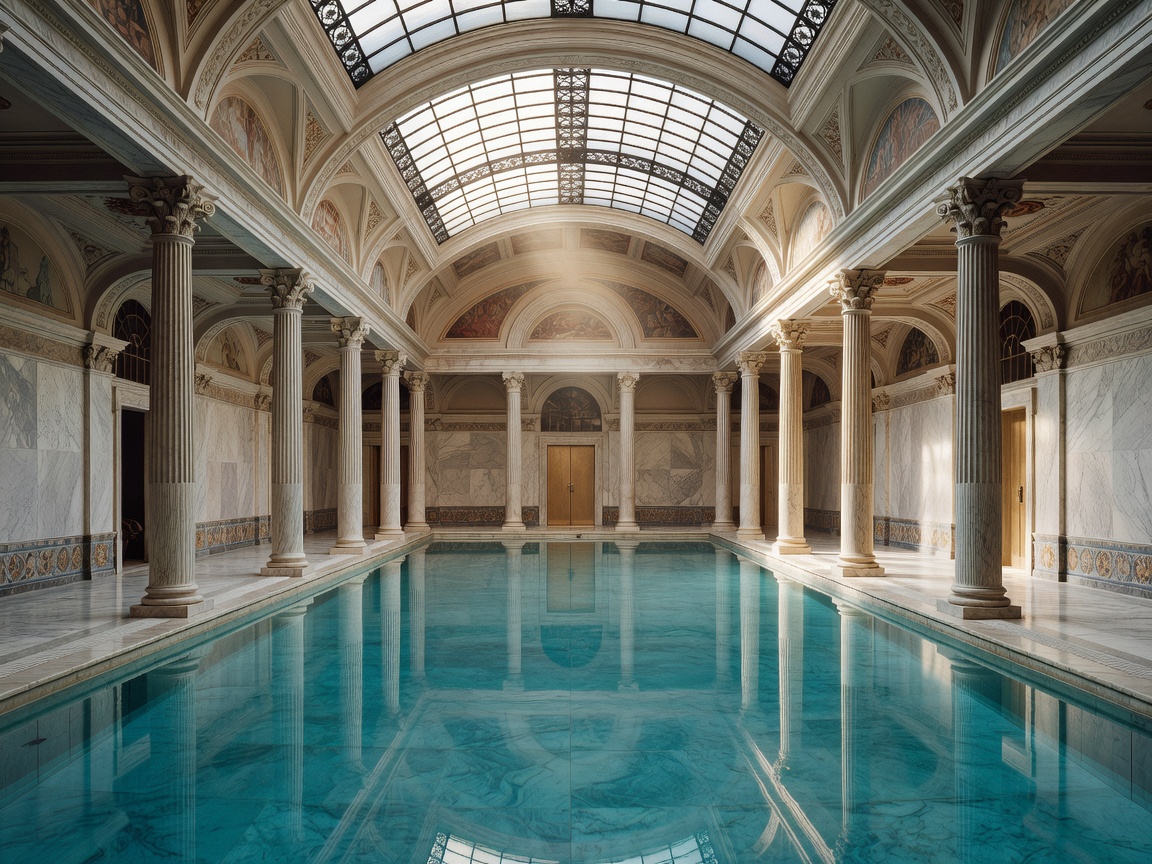
 Art Nouveau
Gellért Baths
The 1918 Secessionist masterpiece: Zsolnay ceramics, a glass-roofed hall and the most photogenic indoor thermal room in Hungary. Quieter than Széchenyi.
District XI2–3 h
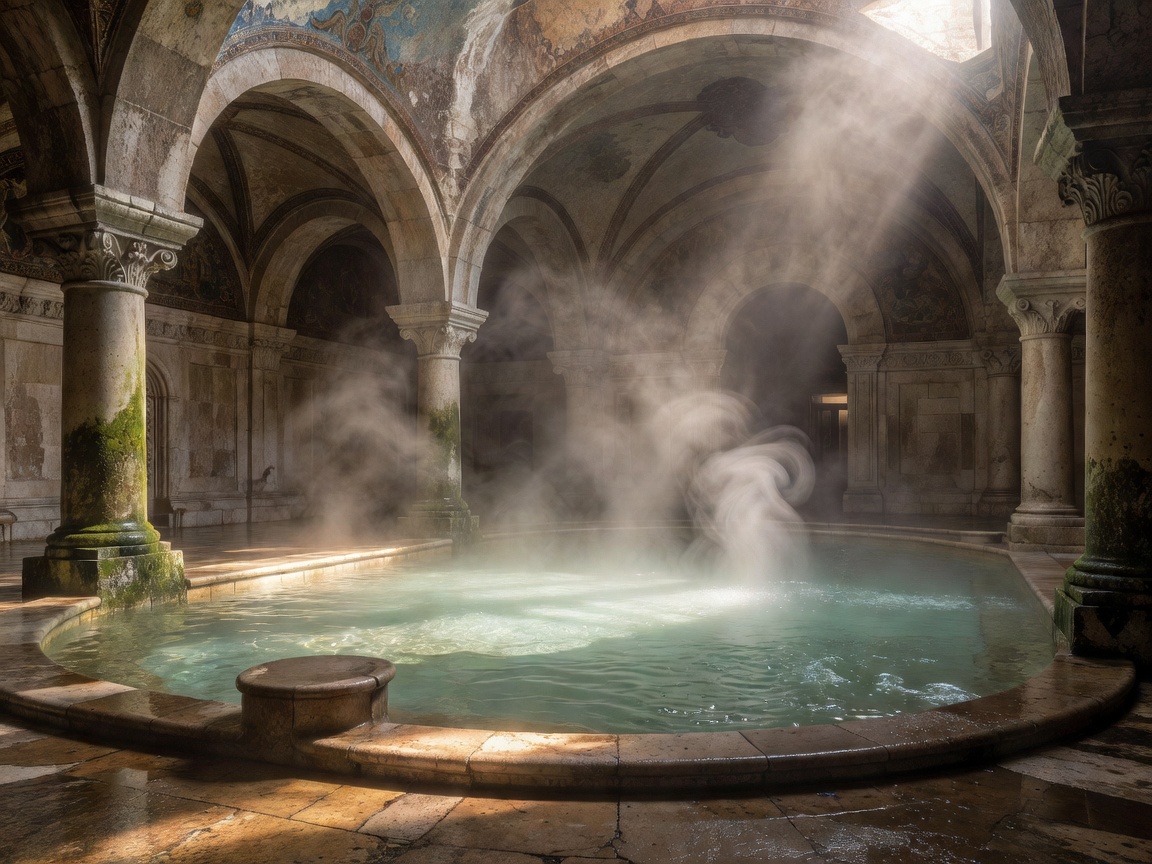
Home / Experiences / Széchenyi Thermal Bath
Neo-Baroque, canary yellow, open since 1913 and fed by a spring that rises from 1,246 metres below City Park.
The bath
Széchenyi is the largest medicinal bath complex in Europe and the only one in Pest fed by its own thermal wells. Vilmos Zsigmondy drilled the first in 1878; the current building, by Győző Czigler, opened in 1913 and was extended in 1927 with the three great outdoor pools that give the bath its postcard identity.
The water is rich in calcium, magnesium, hydrogen-carbonate, sodium, sulphate and fluoride, and is prescribed by Hungarian doctors for degenerative joint conditions. For a visitor, the practical translation is simple: it is hot, slightly mineral-smelling and profoundly relaxing.
Arrive at 07:00 or after 19:00. Between 10:00 and 17:00 in summer, the outdoor pools are crowded and the changing areas queue. Buy a cabin rather than a locker — for a small premium you get a private changing cubicle that doubles as storage and a dry place to leave a book.
A good sequence: start in the 38°C outdoor thermal pool on the left, move to the 28°C central swimming pool for a few lengths, take fifteen minutes in the sauna world, then finish in the indoor thermal cascade rooms where the temperatures step from 28°C to 40°C. Hydrate constantly — the standard mistake is to stay too long in the hottest water.
Tickets
| Ticket type | Weekday | Weekend | Includes |
|---|---|---|---|
| Full-day cabin | 11,500 HUF | 12,500 HUF | Private changing cabin, all pools, saunas |
| Full-day locker | 10,500 HUF | 11,500 HUF | Shared changing area, all pools, saunas |
| Early bird (before 09:00) | 9,500 HUF | — | Locker, exit by 13:00 |
| Aroma massage, 20 min | from 12,000 HUF | from 12,000 HUF | Book at arrival or online in advance |
Indicative early-2026 prices. Booking online through the official bath website avoids the cashier queue and is usually a little cheaper than the gate.
Alternatives
Art NouveauThe 1918 Secessionist masterpiece: Zsolnay ceramics, a glass-roofed hall and the most photogenic indoor thermal room in Hungary. Quieter than Széchenyi.
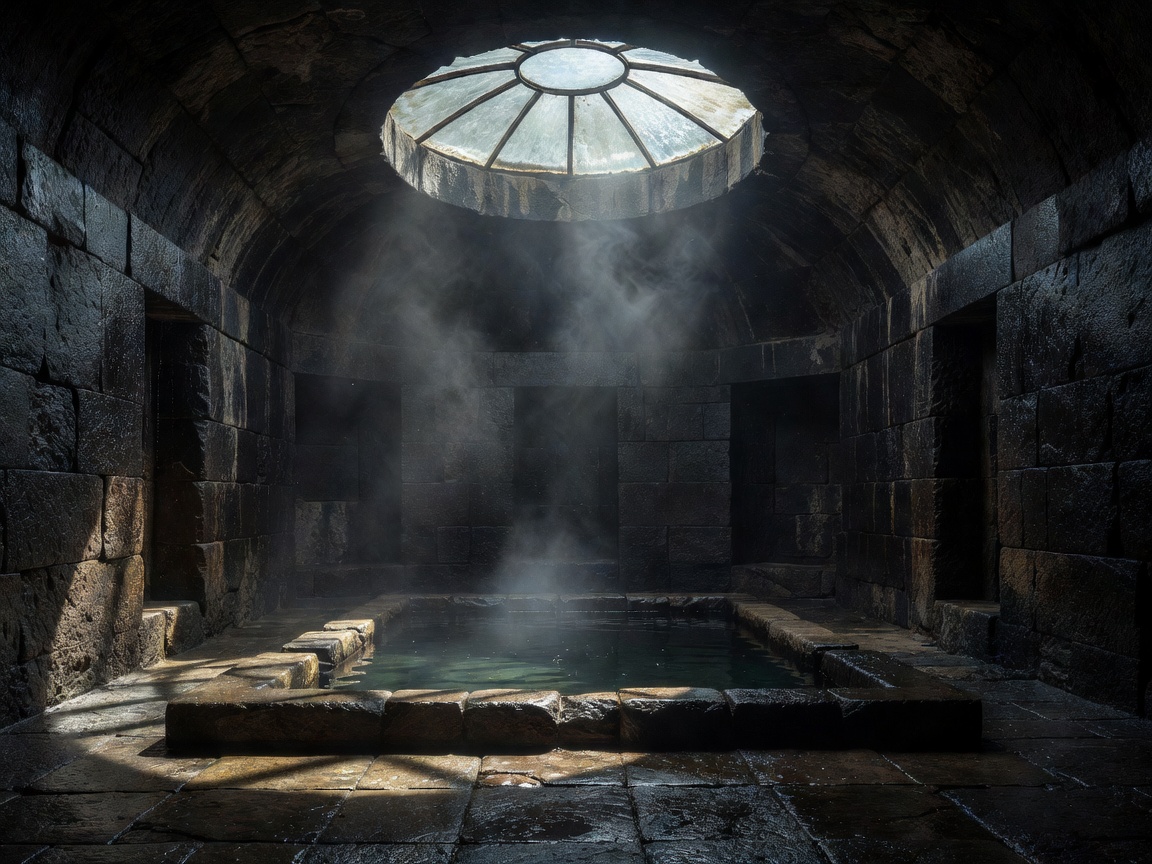 Ottoman
A genuine sixteenth-century Turkish bath with an octagonal pool under a pierced dome, plus a modern rooftop tub looking straight down the river.
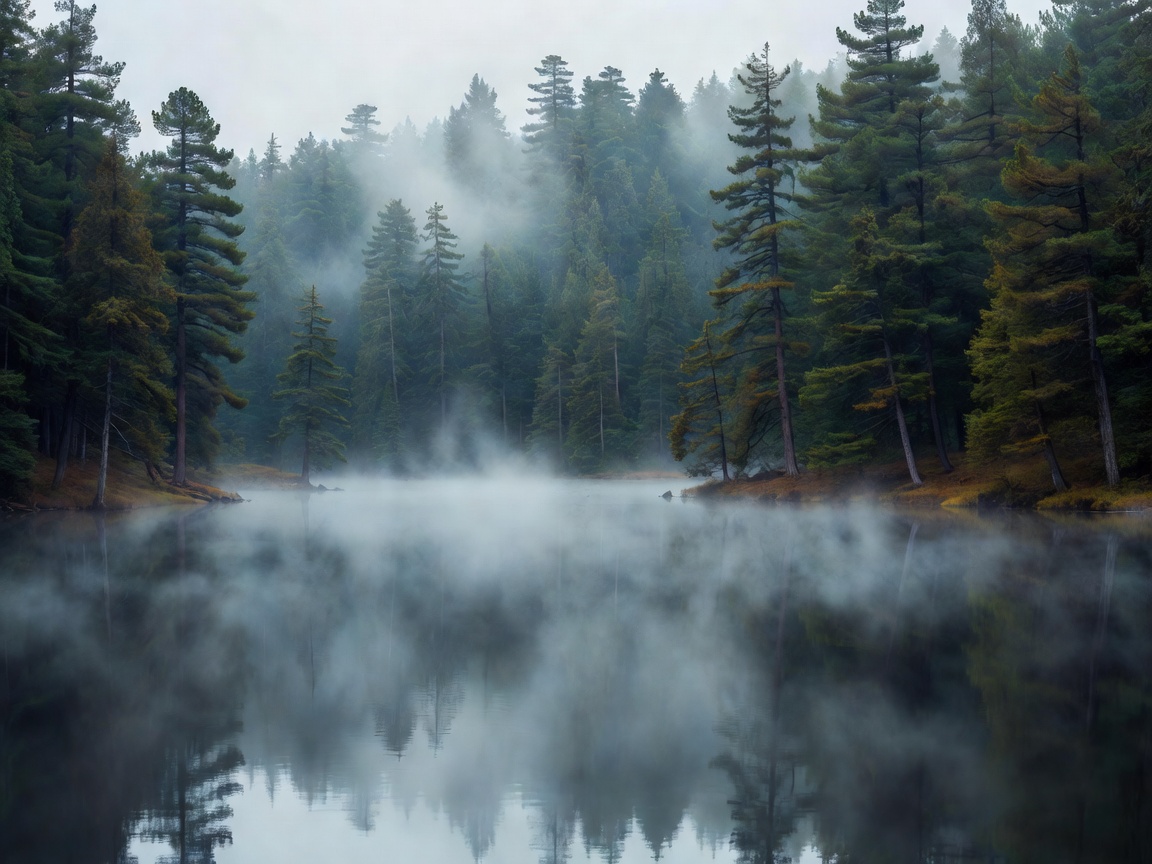 Day trip
The world's largest biologically active thermal lake, near Keszthely: 38°C in summer, 24°C in midwinter, and you float rather than swim.
Questions