 UNESCO
Tokaj
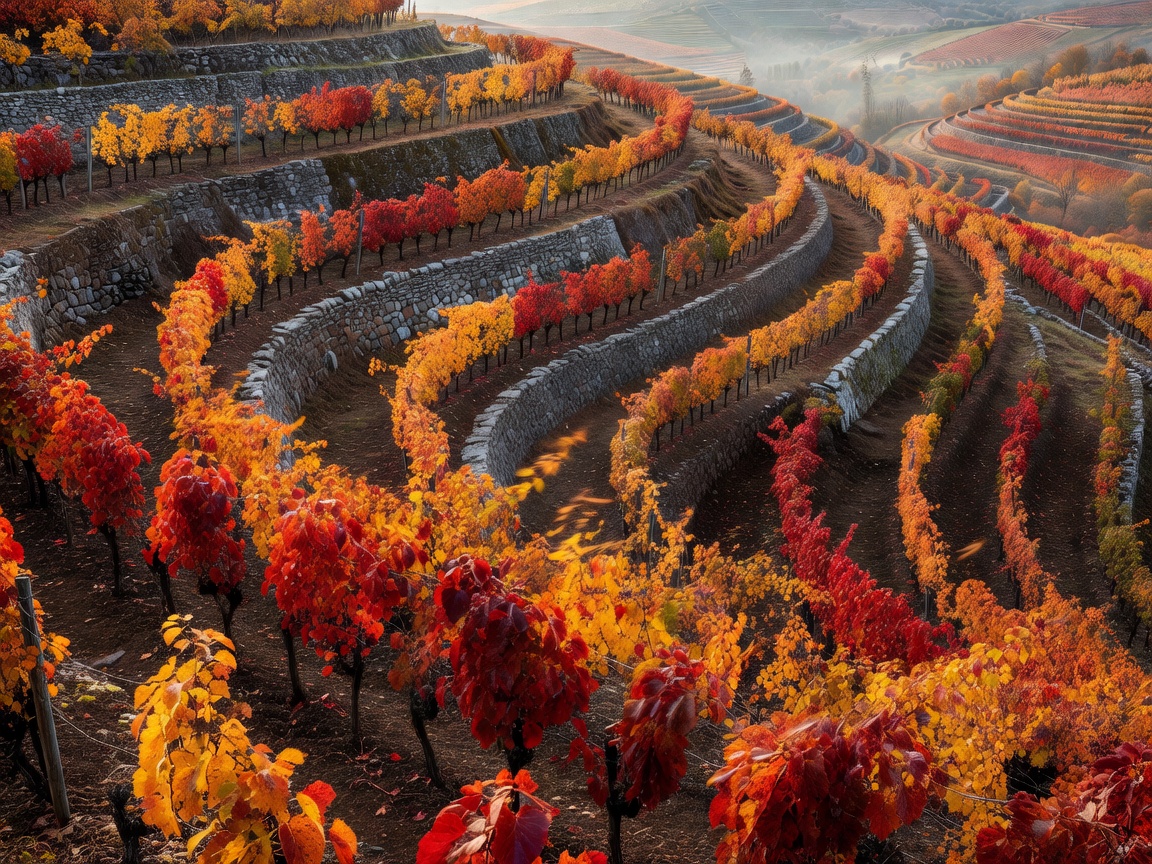
Volcanic hills where autumn mists produce noble rot. Aszú berries are hand-picked one by one and counted in puttonyos. The dry Furmints are now as interesting as the sweet wines.
2h30 by railAszúFurmint
Home / Experiences / Wine Regions
Twenty-two official regions, a hundred indigenous grapes and the world's first classified vineyard system — laid down in 1737, decades before Bordeaux.
Overview
Forty years of state-run co-operative production left Hungarian wine with a poor reputation abroad. Since privatisation in the 1990s, a generation of small producers has rebuilt it around indigenous varieties, volcanic soils and lower yields — and the results now appear on serious wine lists from Copenhagen to Tokyo.
The grapes to know: Furmint (high-acid white, the backbone of Tokaj, increasingly made dry and mineral), Hárslevelű (“linden leaf”, floral and honeyed), Kékfrankos (Blaufränkisch — peppery, fresh red), Kadarka (light, spicy, historically the soul of Bikavér), Juhfark (Somló's smoky, saline white) and Olaszrizling (the everyday white of Balaton).
The regions
UNESCOVolcanic hills where autumn mists produce noble rot. Aszú berries are hand-picked one by one and counted in puttonyos. The dry Furmints are now as interesting as the sweet wines.
 Cellar valley
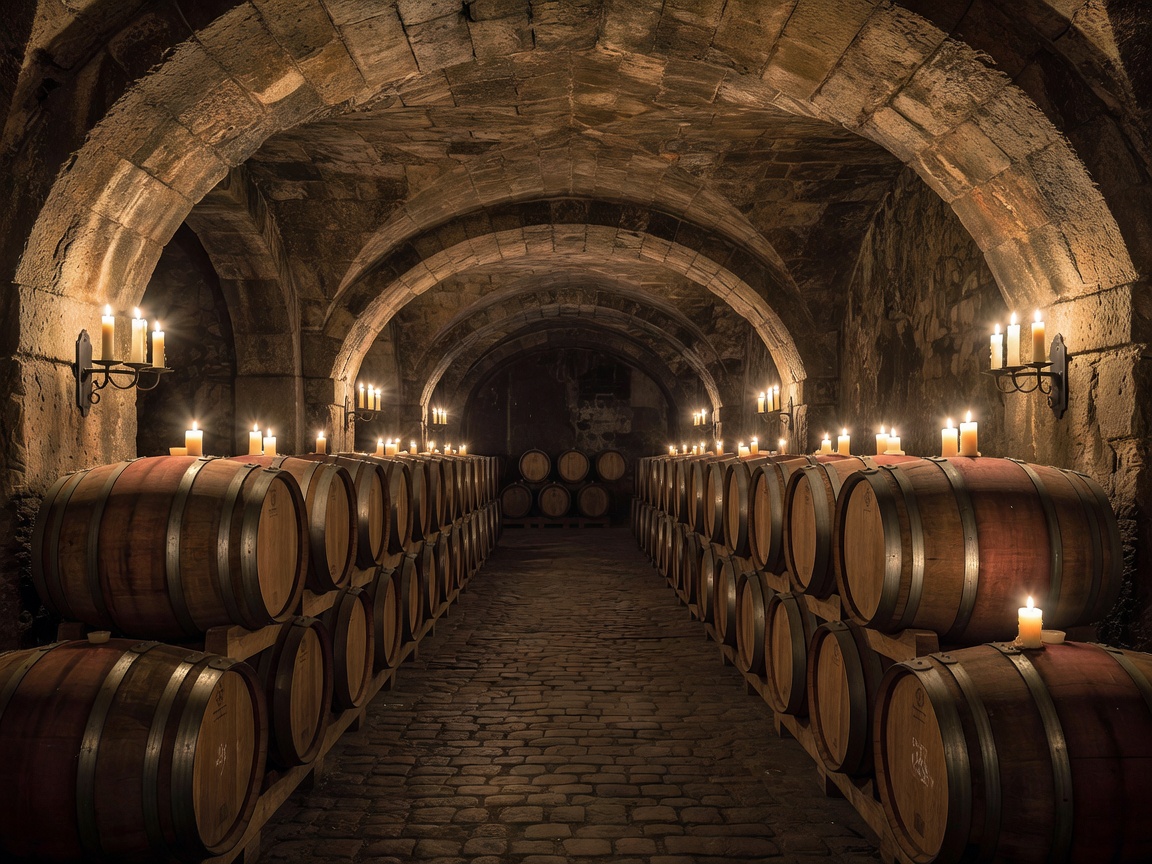
Cool-climate reds with real freshness, led by Kékfrankos. Bikavér is the famous blend; Egri Csillag is the white counterpart. Two hundred cellars within walking distance of each other.
 Reds
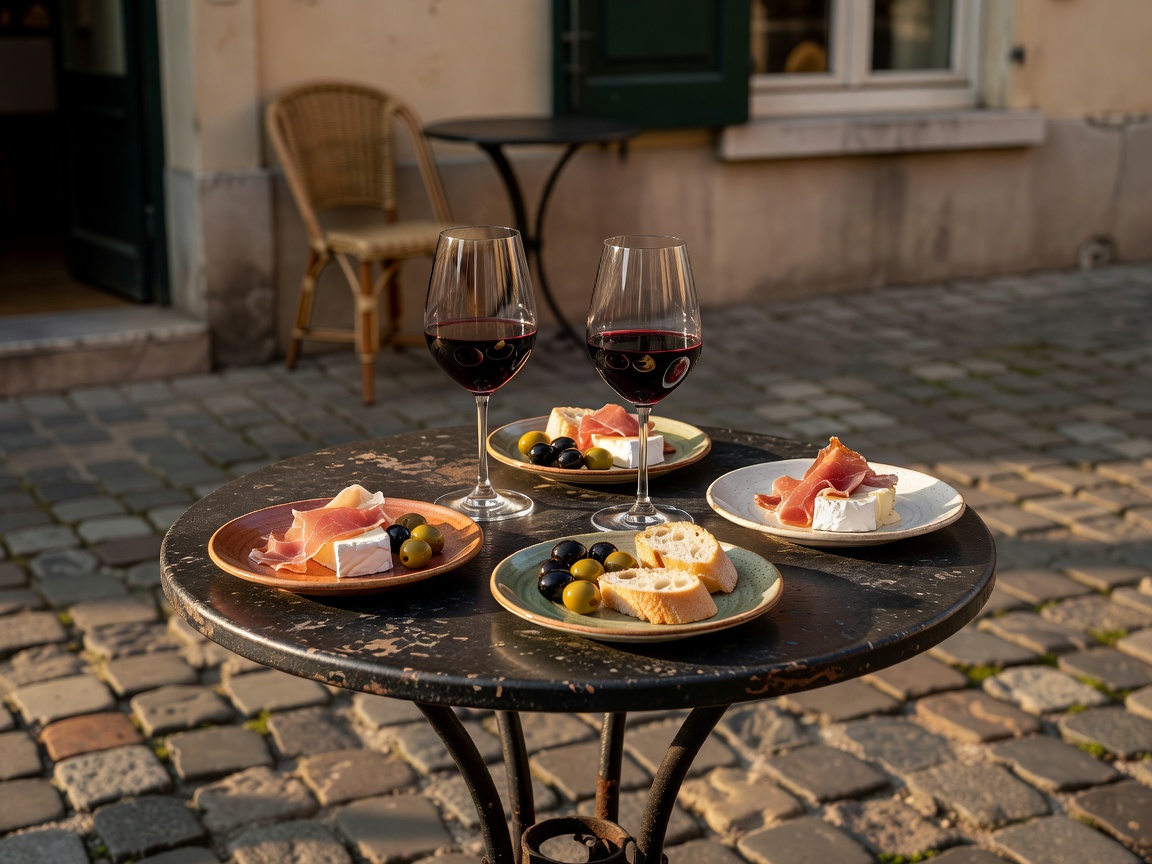
Hungary's warmest region, close to the Croatian border, producing structured Cabernet Franc that many critics rate as the country's finest red. The Villány–Siklós wine route is well signposted.
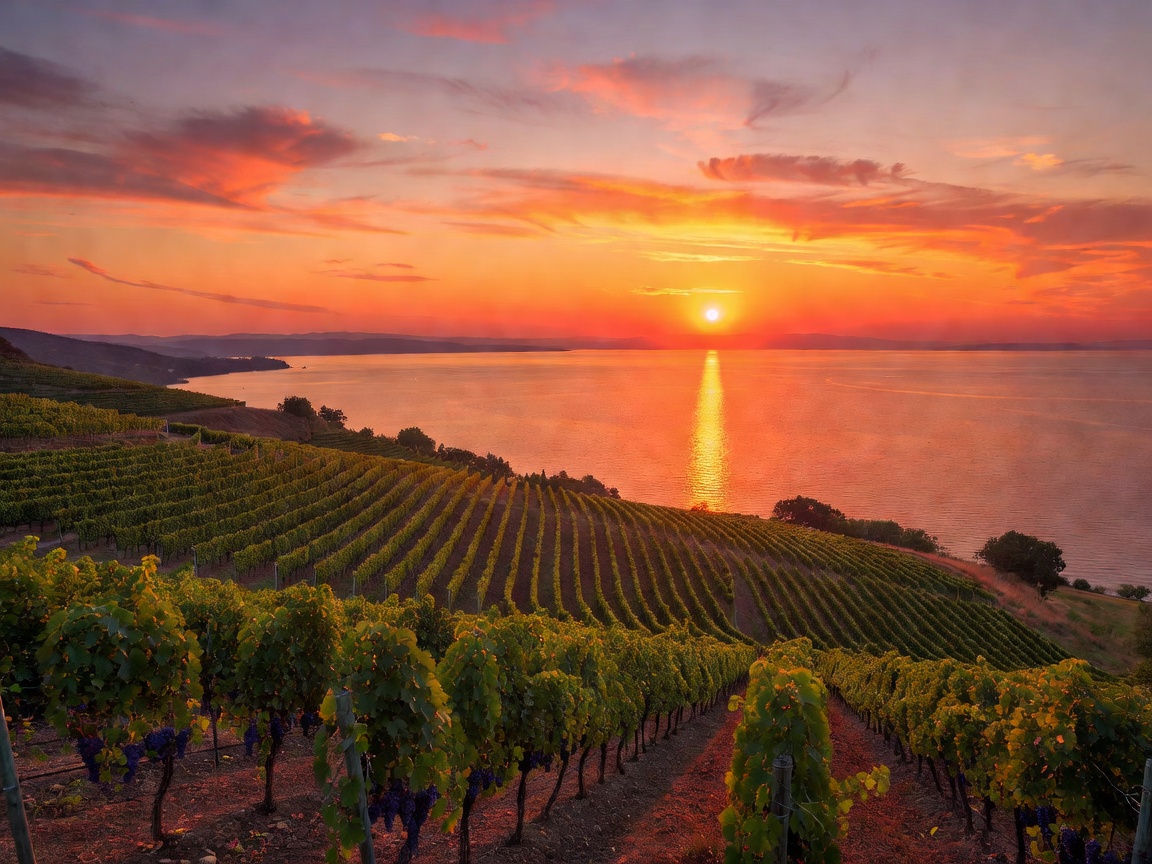 Lakeside
Basalt cones on the lake's north shore. Olaszrizling, Szürkebarát and the rare Kéknyelű, all with a saline edge that comes from the volcanic soil.
Somló
Somló is a single extinct volcano rising 431 metres out of flat farmland in western Hungary, with barely 500 hectares of vineyard on its slopes. The wine made here — principally from Juhfark, meaning “sheep's tail” — is famously smoky, saline and austere in youth, and ages for decades. Hungarian folklore held that a glass drunk on the wedding night guaranteed a male heir, which earned it the nickname “the wine of wedding nights”.
There is no train to the hill itself; the nearest station is Somlóvásárhely, and from there it is a walk or a short taxi. Visit on a weekend when the small cellars are staffed, and expect a conversation rather than a slick tasting-room experience.
| Wine | Style | Pair with |
|---|---|---|
| Tokaji Aszú 5 puttonyos | Sweet, botrytised, high acid | Goose liver, blue cheese, walnut desserts |
| Dry Furmint, Mád | Mineral, citrus, textured | River fish, roast chicken, hard cheese |
| Egri Bikavér Superior | Medium-bodied red blend, oak-aged | Pörkölt, game stew, grilled sausage |
| Villányi Cabernet Franc | Full, structured, dark fruit | Beef, Mangalica pork, aged cheese |
| Somlói Juhfark | Smoky, saline, ageworthy white | Smoked trout, creamy mushroom dishes |
| Badacsonyi Olaszrizling | Fresh, almond-edged, everyday | Lake fish, lángos, summer terraces |
Questions