 District I
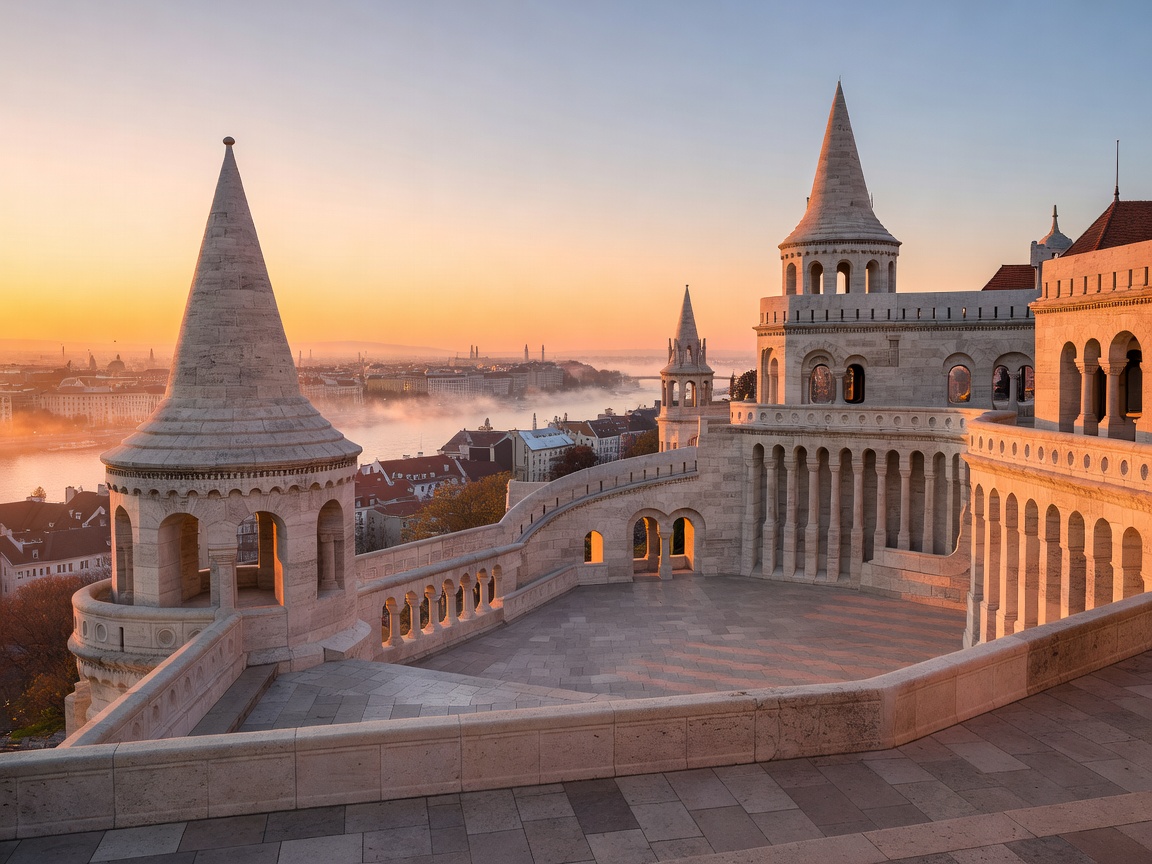
Castle Hill & Fisherman's Bastion
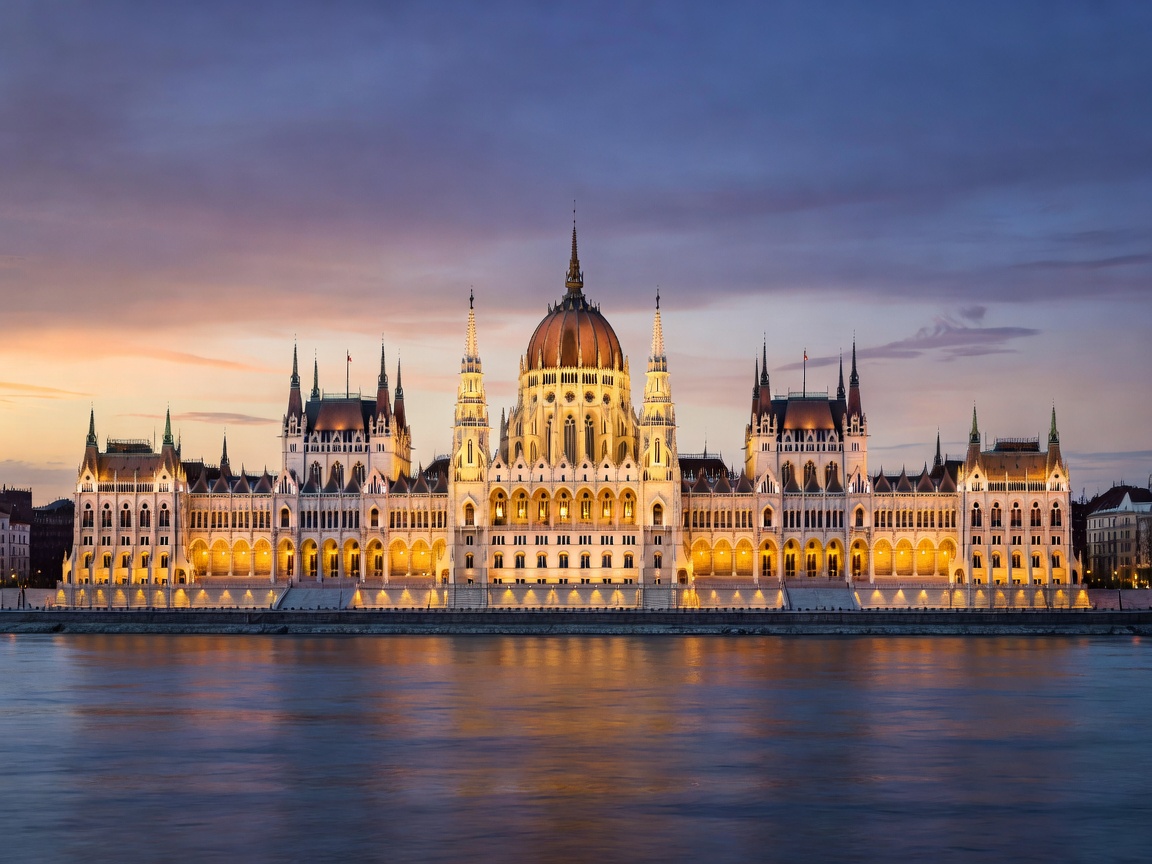
Medieval streets, the Matthias Church roof tiles and the best panorama of the Parliament. Climb from Clark Ádám tér or ride the 1870 funicular.
Half dayFree lanes
Home / Destinations / Budapest
Two cities, eight bridges, 120 thermal springs and the most theatrical skyline in Central Europe. Here is how to use three days properly.
Orientation
The Danube splits Budapest into two temperaments. Buda, on the west bank, is older, quieter and vertical — castle hill, Gellért Hill, leafy residential terraces. Pest, on the east, is flat, dense and gridded by nineteenth-century boulevards, and it is where you will spend most of your time.
The city was three separate towns — Buda, Óbuda and Pest — until 1873. That unification coincided with a construction boom financed by imperial confidence, which is why so much of the centre is a single, coherent late-Habsburg statement: Andrássy Avenue, the Opera House, the Great Market Hall, the Parliament and continental Europe's first underground railway, all completed within roughly two decades.
For navigation, learn the district numbers. Central Pest is District V (the government and luxury quarter), District VI (Terézváros, around Andrássy and the Opera) and District VII (Erzsébetváros, the old Jewish quarter and ruin-bar heartland). District VIII and IX are increasingly interesting, with Bálna and the university belt. On the Buda side, District I is Castle Hill and District XI is Gellért, Kelenföld and the university district.
The essentials
District IMedieval streets, the Matthias Church roof tiles and the best panorama of the Parliament. Climb from Clark Ádám tér or ride the 1870 funicular.
 District V
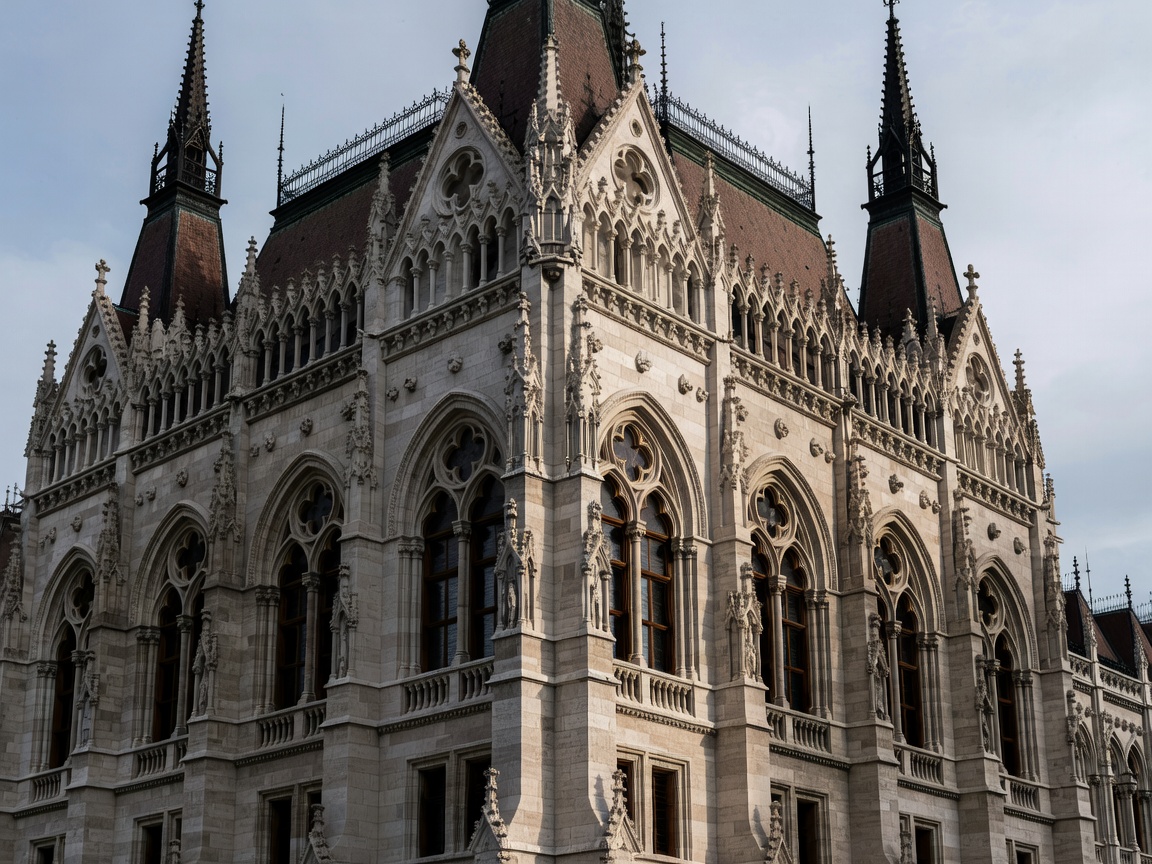
Guided tours only, roughly 45 minutes, covering the grand stairway, the dome hall and the Holy Crown. EU citizens pay a reduced rate.
 District XIV
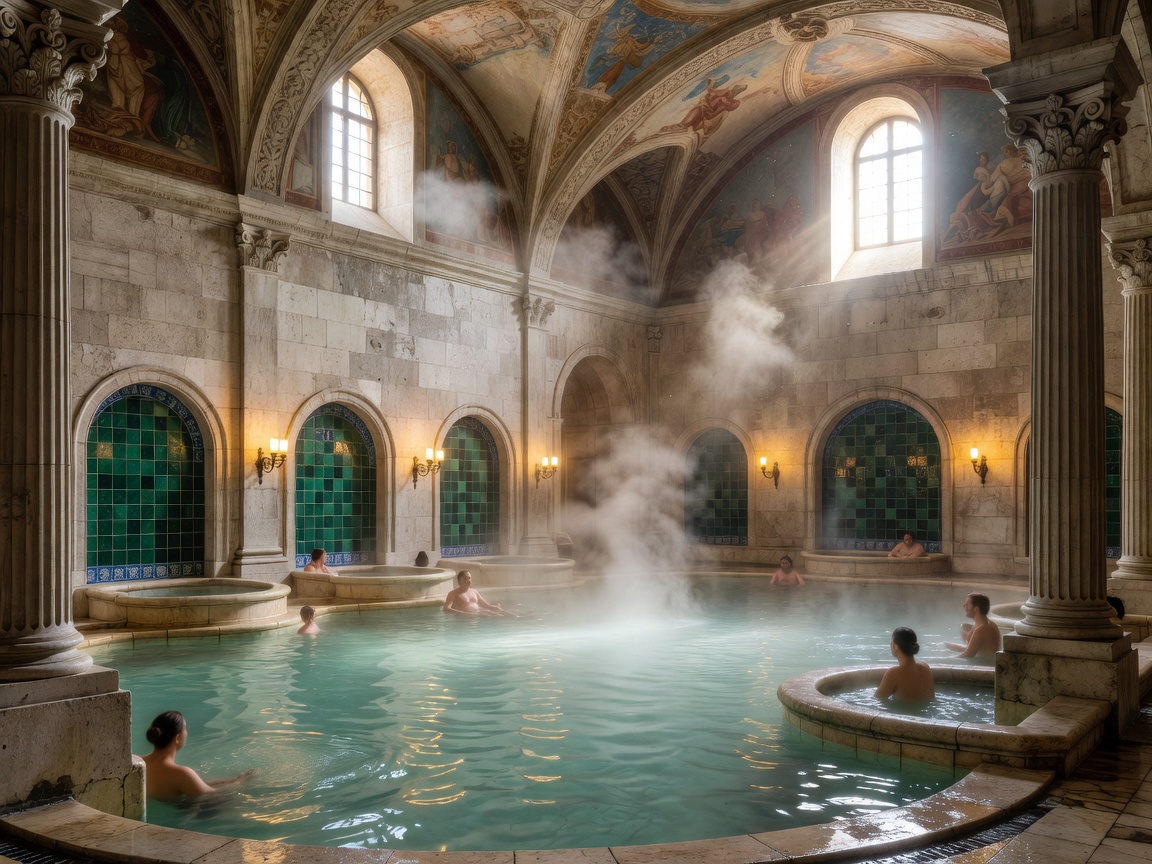
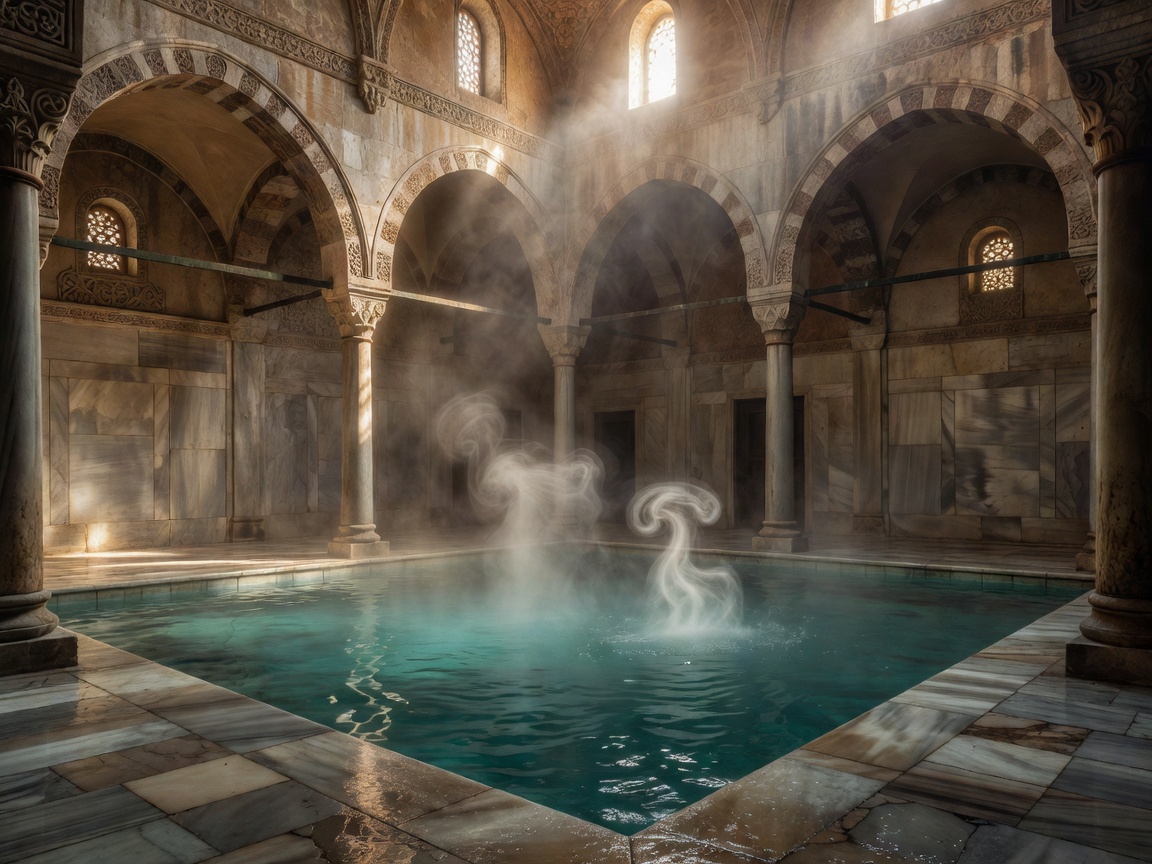
The yellow palace in City Park. Arrive at opening, take a cabin rather than a locker, and finish in the 38°C outdoor pool.
 District IX
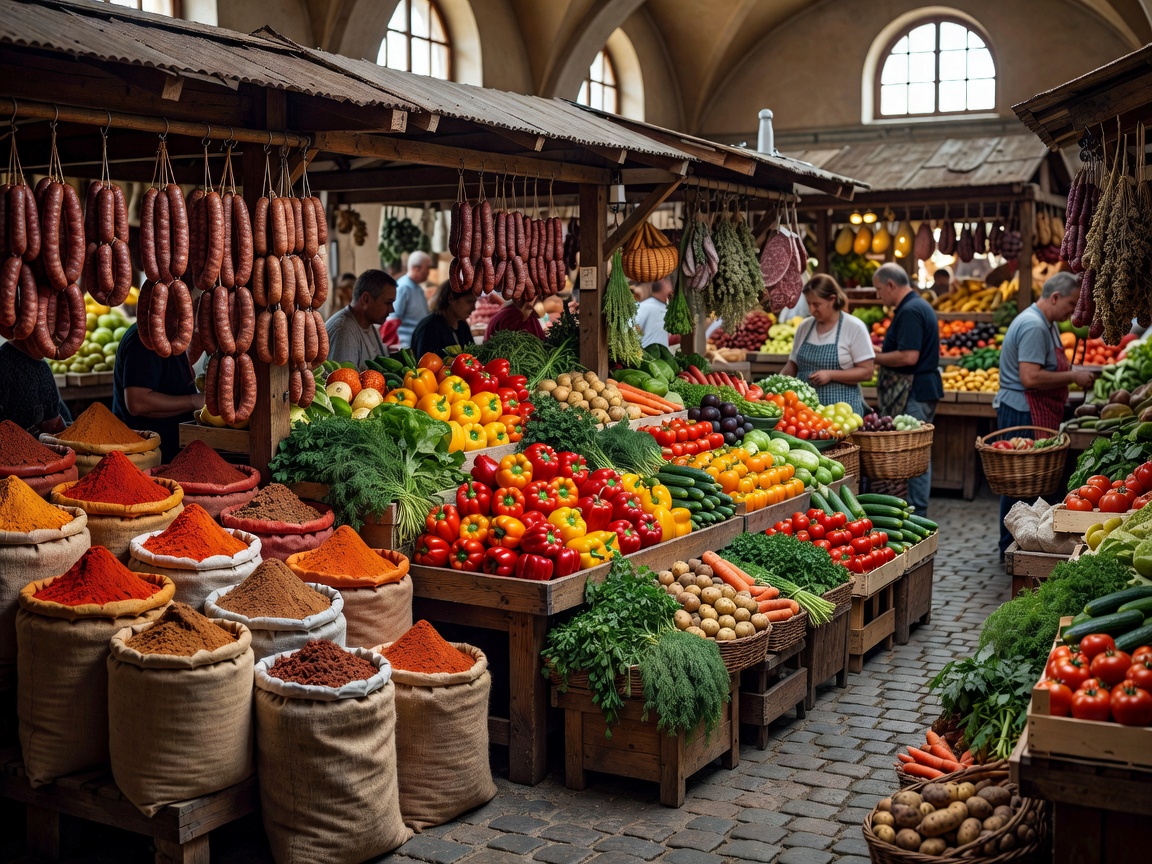
Steel-framed, Zsolnay-tiled and open since 1897. Ground floor for paprika, salami and pickles; upper gallery for lángos, best before 11am.
 District VII
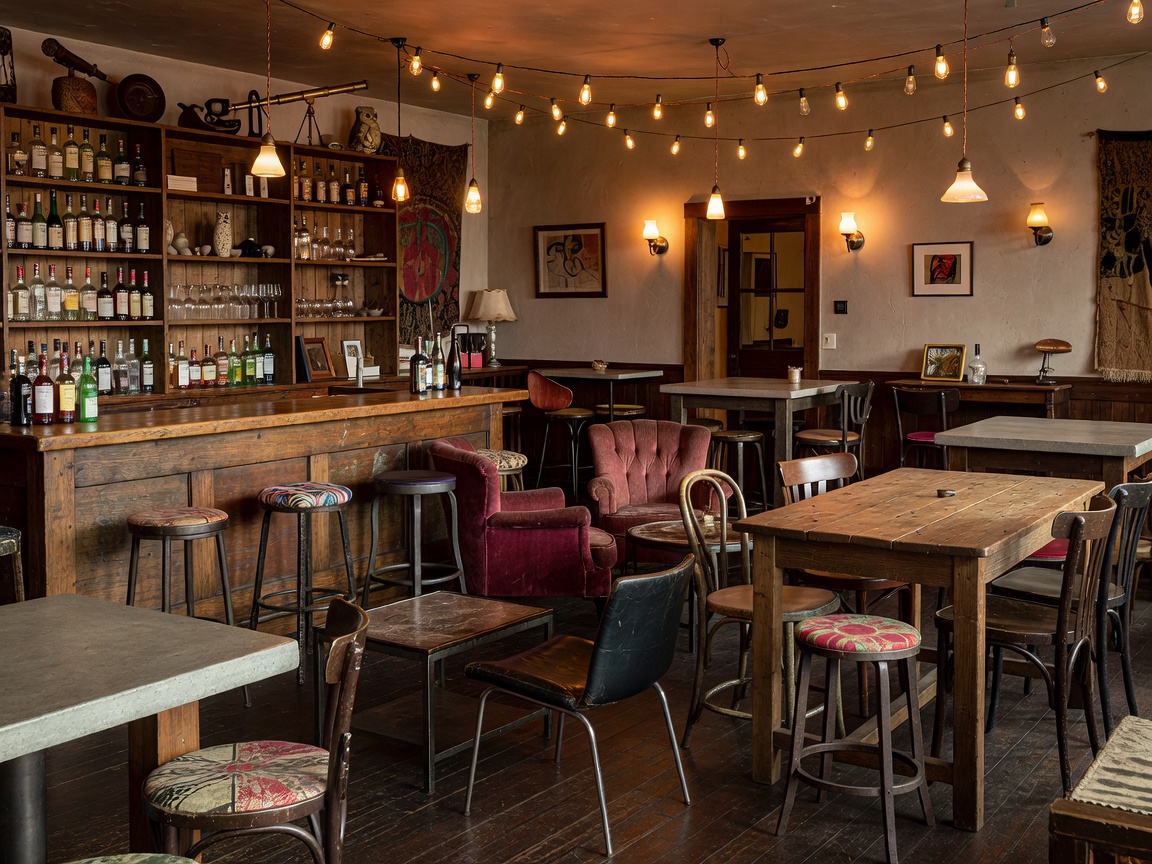
Abandoned courtyard tenements turned into bars in the mid-2000s. Szimpla Kert is the original; go on a weekday and look for the smaller courtyards nearby.
 Danube
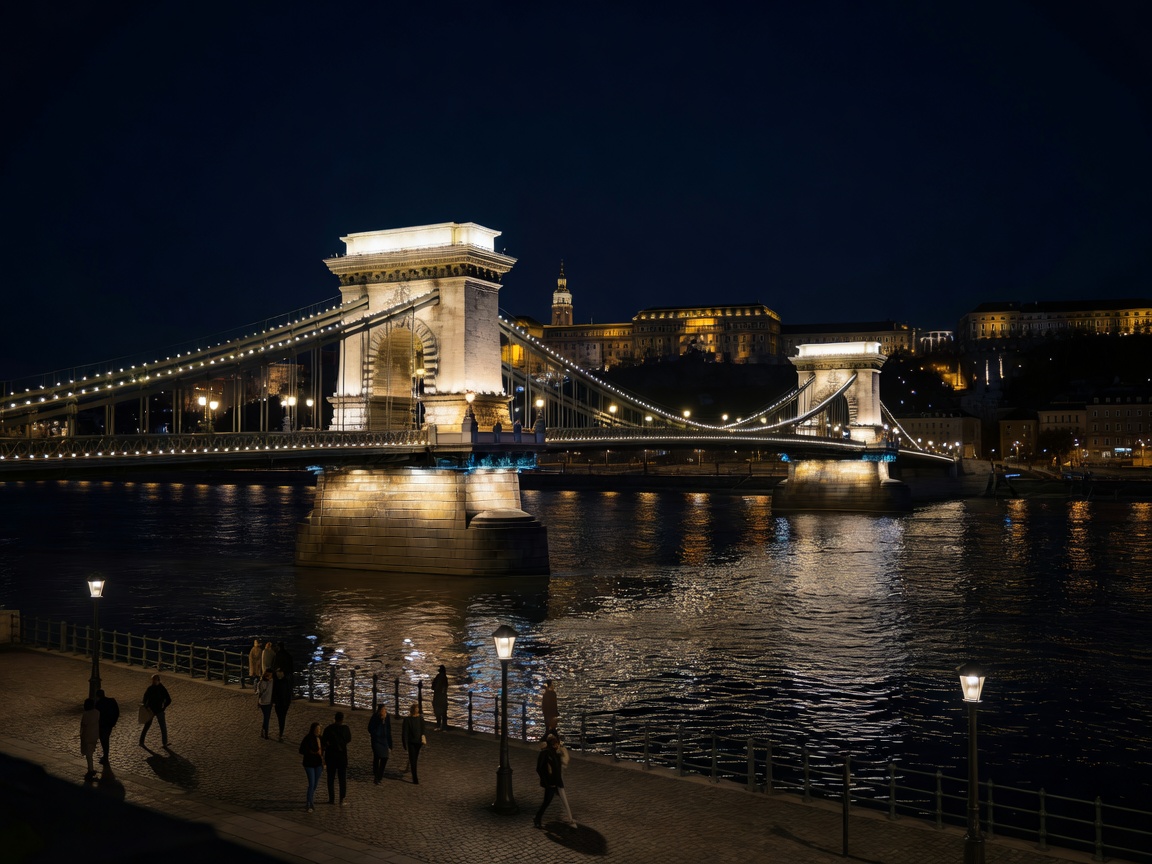
From Margaret Bridge to Liberty Bridge on the Pest side, then tram 2 back. Thirty-five minutes of the finest floodlighting in Europe, and it costs nothing.
Where to stay
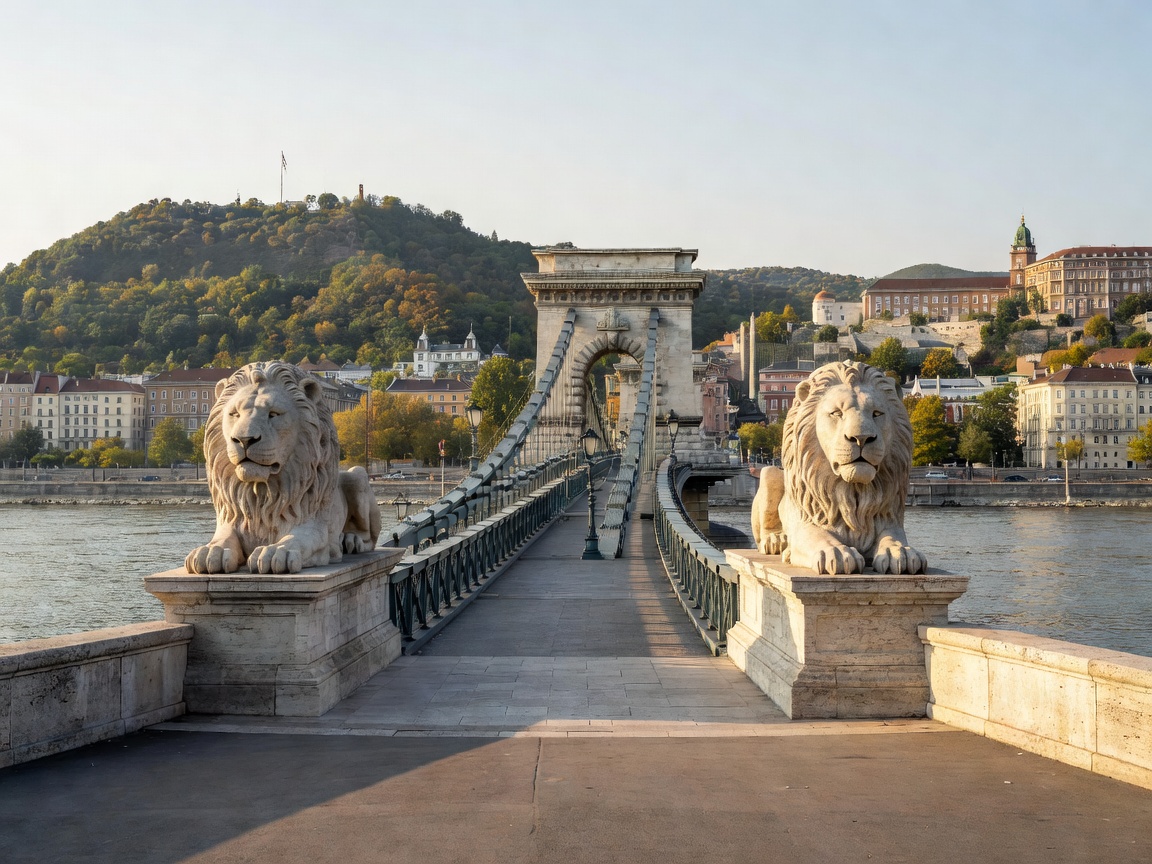
Budapest is compact enough that almost anywhere within the Grand Boulevard works, but each quarter has a distinct character and noise profile.
Costs
| Item | Typical price (HUF) | Approx. EUR |
|---|---|---|
| Single public transport ticket | 450 | €1.15 |
| 72-hour travelcard | 5,500 | €14 |
| Széchenyi Bath, weekday cabin | 11,500 | €29 |
| Parliament tour (non-EU adult) | 13,000 | €33 |
| Daily lunch menu, two courses | 3,200 | €8 |
| Dinner for two with wine, mid-range | 28,000 | €70 |
| Half-litre draught beer, ruin bar | 1,500 | €3.80 |
| Speciality coffee | 1,400 | €3.50 |
Prices sampled January 2026; conversions at approximately 395 HUF to the euro.
Good to know
Continue reading